

As a seasoned supplier in the surge arrester industry, I've witnessed firsthand the critical role these devices play in safeguarding electrical systems. One of the most common questions I encounter is about the difference between high - voltage and low - voltage surge arresters. In this blog, I'll delve into the key disparities, applications, and benefits of each type, providing you with a comprehensive understanding to make informed decisions for your electrical protection needs.
Basic Definition and Working Principle
Surge arresters, also known as lightning arresters, are devices designed to protect electrical equipment from transient overvoltages, such as those caused by lightning strikes or switching operations. They work by diverting the excess electrical energy to the ground, thereby preventing damage to the connected equipment.
Low - voltage surge arresters are typically used in electrical systems with rated voltages up to 1kV. These systems include residential, commercial, and light industrial applications. They are designed to handle relatively small surge currents and are often installed at the service entrance of a building or at the point of use of sensitive electronic equipment.
On the other hand, high - voltage surge arresters are used in electrical systems with rated voltages above 1kV. These systems include power transmission and distribution networks, industrial plants, and large - scale commercial facilities. High - voltage surge arresters are designed to handle much larger surge currents and higher energy levels compared to low - voltage arresters.
Physical Design and Construction
The physical design and construction of high - voltage and low - voltage surge arresters differ significantly due to the different operating conditions they are exposed to.
Low - voltage surge arresters are usually compact in size and can be easily installed in electrical panels or near electronic devices. They often use metal - oxide varistors (MOVs) as the main surge - suppressing element. MOVs are made of zinc oxide ceramic material and have a non - linear voltage - current characteristic. When the voltage across the MOV exceeds a certain threshold, its resistance drops rapidly, allowing the surge current to flow through it and be diverted to the ground.
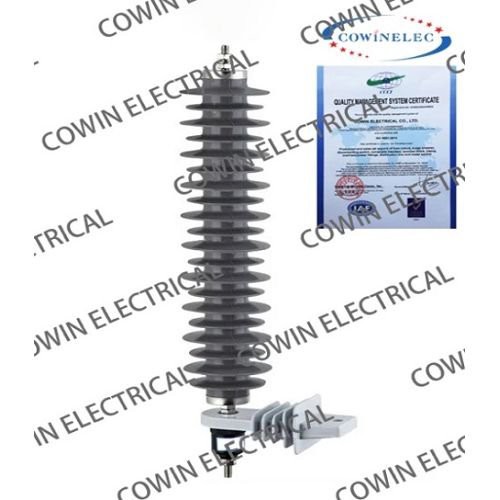
High - voltage surge arresters, in contrast, are much larger and more robust. They are typically installed outdoors on transmission towers, substations, or large industrial equipment. High - voltage arresters also use MOVs, but they are designed to withstand higher voltages and currents. The MOV blocks in high - voltage arresters are connected in series and parallel configurations to achieve the required voltage and current ratings. Additionally, high - voltage arresters are equipped with a porcelain or composite housing to provide electrical insulation and protection against environmental factors such as moisture, pollution, and UV radiation.
Performance Characteristics
The performance characteristics of high - voltage and low - voltage surge arresters are also different.
Voltage Rating: The voltage rating of a surge arrester is the maximum continuous operating voltage that it can withstand without being damaged. Low - voltage surge arresters typically have voltage ratings ranging from a few hundred volts to 1kV, while high - voltage surge arresters can have voltage ratings of several kilovolts to hundreds of kilovolts.
Energy Absorption Capacity: The energy absorption capacity of a surge arrester is the amount of energy it can dissipate during a surge event without failing. High - voltage surge arresters have a much higher energy absorption capacity compared to low - voltage arresters. This is because high - voltage systems are more likely to be exposed to large - scale surge events, such as lightning strikes on transmission lines.
Response Time: The response time of a surge arrester is the time it takes for the arrester to start conducting current when a surge occurs. Both high - voltage and low - voltage surge arresters have very fast response times, typically in the order of microseconds. However, high - voltage arresters may have slightly longer response times due to their larger physical size and more complex internal structure.
Applications
The applications of high - voltage and low - voltage surge arresters are tailored to the specific needs of different electrical systems.
Low - Voltage Surge Arresters: Low - voltage surge arresters are commonly used in residential and commercial buildings to protect sensitive electronic equipment such as computers, televisions, and home appliances from power surges. They are also used in industrial control systems, telecommunications equipment, and data centers to ensure the reliable operation of these critical systems. For example, in a data center, a low - voltage surge arrester can protect servers and networking equipment from power surges caused by lightning strikes or utility grid disturbances.
High - Voltage Surge Arresters: High - voltage surge arresters are essential components in power transmission and distribution networks. They protect transformers, switchgear, and other high - voltage equipment from lightning strikes and switching surges. In addition, high - voltage surge arresters are used in industrial plants, such as mines, refineries, and steel mills, to protect large - scale electrical equipment from overvoltages. For instance, a 33KV Lightning Arrester can be installed in a power substation to protect the 33kV transmission lines and associated equipment.
Cost Considerations
The cost of high - voltage and low - voltage surge arresters varies depending on several factors, including the voltage rating, energy absorption capacity, and brand.
Low - voltage surge arresters are generally more affordable compared to high - voltage arresters. This is because they are smaller in size, use less material, and have lower manufacturing costs. However, the cost of low - voltage surge arresters can still vary significantly depending on the quality and performance of the product.
High - voltage surge arresters are more expensive due to their larger size, higher voltage and current ratings, and more complex design and manufacturing processes. The cost of a high - voltage surge arrester can range from a few hundred dollars to several thousand dollars, depending on the specific requirements of the application.
Benefits of Our Surge Arresters
As a leading surge arrester supplier, we offer a wide range of high - quality High Voltage Surge Arrester and low - voltage surge arresters to meet the diverse needs of our customers.
Our low - voltage surge arresters are designed to provide reliable protection for sensitive electronic equipment. They are compact, easy to install, and offer excellent surge - suppressing performance. We use high - quality MOVs in our low - voltage arresters to ensure long - term reliability and stability.
Our high - voltage surge arresters are built to withstand the harsh operating conditions of power transmission and distribution networks. They are designed with advanced technology and high - quality materials to provide superior protection against lightning strikes and switching surges. Our Zinc Oxide Surge Arresters offer excellent non - linear voltage - current characteristics, high energy absorption capacity, and long service life.

Conclusion
In conclusion, high - voltage and low - voltage surge arresters are two distinct types of devices that serve different purposes in electrical systems. Understanding the differences between them is crucial for selecting the right surge arrester for your specific application. Whether you need to protect your home electronics or a large - scale power grid, our company can provide you with the best surge arrester solutions.
If you are interested in learning more about our surge arresters or have any questions regarding your electrical protection needs, please feel free to contact us for a detailed discussion. We are committed to providing you with the highest level of service and support to ensure the safety and reliability of your electrical systems.
References
- IEEE Standard for Metal - Oxide Surge Arresters for AC Power Circuits (IEEE C62.11).
- IEC 60099 - 4: Surge arresters for a.c. systems.
- ANSI/IEEE C62.22: Guide for the Application of Metal - Oxide Surge Arresters for Alternating - Current Systems.


