Hey there! As a supplier of Earthing Arresters, I often get asked a bunch of questions about where our products can be used. One question that's been popping up more frequently lately is, "Can an Earthing Arrester be used in a nuclear power plant?" Well, let's dive right into it and explore this topic.
First off, let's understand what an Earthing Arrester is. An Earthing Arrester, also known as a lightning arrester or surge arrester, is a device that protects electrical systems from over - voltage surges, especially those caused by lightning strikes. It works by diverting the excessive current safely to the ground, preventing damage to equipment and ensuring the safety of the electrical system. You can learn more about Electrical Arrester on our website.
Now, nuclear power plants are some of the most complex and high - stakes electrical systems out there. They generate a massive amount of electricity, and any disruption in their operation can have serious consequences. These plants are equipped with a wide range of safety systems to protect against various hazards, including electrical surges.
So, can an Earthing Arrester be used in a nuclear power plant? The short answer is yes, and here's why.
Protection Against Lightning Strikes
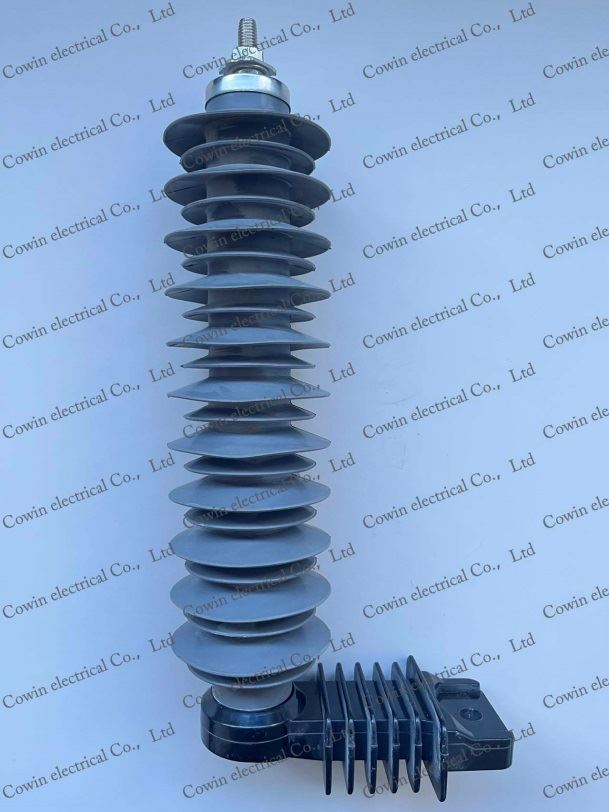
Lightning is a natural phenomenon that can strike anywhere, and nuclear power plants are not immune. A direct lightning strike on a nuclear power plant can cause significant damage to its electrical infrastructure. This includes power transformers, switchgear, and control systems. An Earthing Arrester can act as a first line of defense. When a lightning strike occurs, the arrester quickly detects the high - voltage surge and diverts the lightning current to the ground. This helps prevent the surge from entering the plant's electrical systems and causing damage. For example, our Polymeric Housed Zinc Oxide Lightning Arresters are designed to handle high - energy surges and are highly reliable in protecting against lightning.
Surge Protection for Electrical Equipment
In addition to lightning strikes, nuclear power plants can also experience internal electrical surges. These surges can be caused by things like the switching on and off of large electrical loads, faults in the power grid, or malfunctions in the plant's own electrical equipment. These internal surges can be just as damaging as lightning strikes. An Earthing Arrester can protect the plant's sensitive electrical equipment, such as generators, motors, and control circuits, from these surges. By limiting the voltage to a safe level, the arrester ensures that the equipment continues to operate normally and reduces the risk of costly downtime and repairs. Our High Voltage Surge Arrester is specifically designed to handle high - voltage surges in large electrical systems like nuclear power plants.
Safety and Regulatory Compliance
Nuclear power plants are subject to strict safety regulations. These regulations require that the plants have adequate protection against electrical hazards. Using Earthing Arresters is an important part of meeting these safety requirements. By installing arresters, nuclear power plant operators can demonstrate that they are taking all necessary steps to protect their facilities and the surrounding environment from electrical surges. This not only helps ensure the safety of the plant but also helps the plant comply with regulatory standards.
Compatibility with Nuclear Power Plant Systems
One of the concerns when using any new equipment in a nuclear power plant is its compatibility with the existing systems. Earthing Arresters are designed to be compatible with a wide range of electrical systems, including those found in nuclear power plants. They can be easily integrated into the plant's electrical infrastructure without causing any interference or disruptions. Additionally, modern arresters are designed to be low - maintenance, which is important in a nuclear power plant where maintenance operations need to be carefully planned and executed.
Challenges and Considerations
While Earthing Arresters can be used in nuclear power plants, there are some challenges and considerations. For example, the arresters need to be able to withstand the harsh environmental conditions inside a nuclear power plant, such as high temperatures, radiation, and humidity. They also need to be designed to meet the specific electrical requirements of the plant. Our company has extensive experience in designing arresters that can meet these challenges. We use high - quality materials and advanced manufacturing techniques to ensure that our arresters are reliable and durable in the most demanding environments.
Another consideration is the testing and certification of the arresters. Nuclear power plant operators require that all equipment used in their facilities be thoroughly tested and certified to meet strict safety standards. Our arresters undergo rigorous testing procedures to ensure that they meet or exceed these standards. We work closely with independent testing laboratories and regulatory authorities to obtain the necessary certifications for our products.

Conclusion
In conclusion, Earthing Arresters can and should be used in nuclear power plants. They provide essential protection against lightning strikes and electrical surges, help ensure the safety and reliability of the plant's electrical systems, and assist in meeting regulatory requirements. As a supplier of Earthing Arresters, we are committed to providing high - quality products that are specifically designed for use in nuclear power plants.
If you're an operator of a nuclear power plant or involved in the procurement of electrical equipment for such a facility, I encourage you to reach out to us. We can provide you with more information about our products, answer any questions you may have, and help you find the right Earthing Arrester solution for your needs. Let's work together to ensure the safety and reliability of your nuclear power plant.
References
- Electrical Safety Standards for Nuclear Power Plants, International Atomic Energy Agency
- Lightning Protection Handbook, National Fire Protection Association