


Clamp
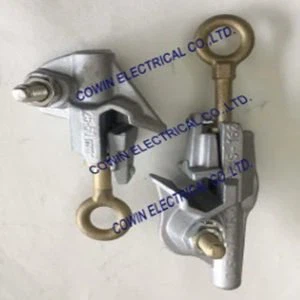
A clamp is a tool used to clamp objects or materials. It usually consists of two parallel jaws and a handle. There is an adjustable opening between the jaws to clamp objects of different sizes and shapes. Clamps can be used in various situations such as machining, woodworking, electronic manufacturing, etc. Common clamps include manual clamps, pneumatic clamps, hydraulic clamps, etc.
Advantages of Clamp
Versatility: Clamps come in a variety of shapes and sizes, making them suitable for many applications. They can hold different materials and objects in place, including paper, metal, wood, plastics, pipes, and more.
Versatile: Clamps are highly versatile and can be used for a variety of different purposes. They can be used to hold objects in place, join materials together, compress materials, and even to hold objects at specific angles.
Secure: Clamp is highly secure and provides a strong grip on the object being held in place. They are designed to prevent slippage and provide a stable hold.
Secure Holding: Clamps provide a secure hold, ensuring that objects are held firmly in place without any risk of slipping or sliding.


Why choose us
Quality Assurance
Each batch of goods has a corresponding quality inspection report to solve your concerns about product quality.
Good Services
Customer service will update you the logistics information of the goods in time to ensure that the goods are delivered in time.
Professional Solution
With rich experience and one-to-one service, we can help you choose products and answer technical questions.
Quick Transportation
We cooperate with professional sea shipping, air and logistics companies to provide you with the best transportation solution.
Types of Clamp
Hand Screw Clamp
Strictly a woodworking tool, this features two wooden jaws and two metal screw rods placed side-by-side with handles at opposite ends. The wooden jaws don’t leave imprints on wood, and two rods provide more control for aligning the jaws than just one. Cabinetmakers use these extensively for assembling quality woodwork projects.


Screw Clamps
One of the most effective clamping strategies is advancing a moveable jaw toward a stationary one by turning a threaded rod. Each turn advances the jaw a small amount, meaning you can generate a lot of force on an object between the jaws with little effort. And thanks to the threads, the rod can’t back off on its own.
Bench Clamp
Also known as a vise, a bench clamp is permanently attached to a workbench. They’re made from heavy-duty metal with wide jaws. You use a bench clamp to hold metal or wood in place so you can drill, cut or shape it.


Material Handling Clamp
Material handling clamps are clamping instruments used to hold heavy material that is frequently lifted or moved. Some of the intended uses, such as load capacity and the direction of the clamping action, are among the main parameters of these kinds of tools.
Mechanical Clamp
Mechanical clamps are used to secure hoses or tubes to the ends of pipe spuds. The material, diameter, and clamp type are among the details of such clamps. These tools, sometimes known as hose clamps, are employed everywhere a flexible fluid connection is required.


Locking Chain Clamps
The mechanical locking chain clamps are used to apply a clamp load in confined places, around pipes, or close to any other surface. When the chain is tightened, pressure is applied to the item, which allows it to clamp a variety of forms.
Material of Clamp
Steel
Steel is a popular material for clamps because it is strong and sturdy. It is often used in clamps that need to withstand heavy loads or have a tight grip.
01
Aluminum
Aluminum is lightweight and rust-resistant, making it a good choice for clamps that need to be portable or used in outdoor environments. It is not as strong as steel but is still capable of holding moderate loads.
02
Plastic
Plastic clamps are often used for holding delicate items or in situations where the clamp needs to be non-metallic. Plastic clamps are not as strong as metal ones, but they are lightweight and corrosion-resistant.
03
Brass
Brass is another metal commonly used in clamps. It is corrosion-resistant and has good conductivity, making it useful in electrical applications.
04
Copper
Copper is also used in electrical clamps due to its good electrical conductivity. It is not as strong as other metals, but it is resistant to corrosion.
05
Application of Clamp
Woodworking
Clamps are used to hold wood pieces together while gluing, drilling or sawing. This helps to ensure accurate cuts and a tight, strong joint.
Metalworking
Clamps are commonly used in metalworking to secure metal pieces in place during welding, cutting, or drilling. They prevent the workpiece from moving and ensure precision in the work.
Arts And Crafts
Clamps are used to hold materials together while creating crafts, such as pottery or jewelry. This helps to ensure accuracy and a strong, lasting bond.
Automotive Repair
Clamps are used to hold parts in place while repairing vehicles. This helps to ensure accuracy and speed up the repair process.
Construction
Clamps are used to hold supports in place while building structures. This helps to ensure safety and stability.
Electrical Work
Clamps are used to hold wires in place while connecting them. This helps to ensure a secure and reliable connection.
Components of Clamp
Jaws: These are the parts of the clamp that hold onto the object being clamped. Jaws can be made of plastic, metal, or other materials depending on the application.
Screw Or Lever: This is the mechanism that tightens the jaws onto the object being clamped. It can be a screw that is turned to apply pressure or a lever that is pushed down to lock the jaws in place.
Handle: The handle is the part of the clamp that the user holds onto to operate the screw or lever.
Base: The base is the part of the clamp that provides stability and support. It can be attached to a workbench or other surface to keep the clamp in place.
Spring: Some clamps have a spring mechanism that keeps the jaws open until pressure is applied to the screw or lever.
Swivel Pads: These are pads or grips that can be rotated to fit the shape of the object being clamped. They provide a more secure grip and prevent damage to the object.
Locking Mechanism: Some clamps have a locking mechanism that keeps the jaws in place once they are tightened. This can be useful when working on projects that require a consistent amount of pressure.

Four Tips for Choosing the Right Clamp
The type of clamp needed often depends on the material that the pipe or hose the clamp will be in contact with is made of. Some materials will require a clamp with a much higher grade of stainless steel while others – like softer hoses – will need a clamp with smooth or beveled edges to help ensure there is no damage to the hose. The steel grade you choose will also depend on the level of corrosion resistance, strength and formability that’s required.
Choosing the right size clamp is extremely important and should not just be eyeballed. Most clamps come with a minimum and maximum fitment so knowing the exact diameter of the hose or pipe you need to properly seal is your best case scenario. A clamp that is too large may cause the band to project out past its intended range and cause safety issues. Or a clamp that is too small may put unwanted additional pressure on a hose and eventually cause cavitation or a leak. In addition, certain size hoses may require a clamp with a more robust screw or different locking mechanism so it’s important to know exactly the size you need.
Different industries ultimately have different levels of stress and temperature extremes for clamps. These factors will impact the type of clamp you choose. Take a look at whether your clamp will be exposed to severe elements like ocean water, or high heat from an engine or from outdoor exposure. Also, look at the type of movement that your clamp will be subjected to like constant vibration or shaking. These environmental conditions will greatly impact the style of clamp and grade of steel you should choose. For instance, hoses that expand or contract due to temperature extremes need a special spring loaded clamp.
Some hose clamps are just plain cheap. They may be made from steel but it could be a lower grade steel or they have a screw that doesn’t tighten or offer as much clamping force as a better quality clamp. Off shore or lower quality clamps are not worth the few cents you will save on a job done right. They tend to stretch and give way much sooner so always be sure you are getting your clamp from a reputable manufacturer and one willing to provide you will all the specifications.
Maintenance Tips for Clamp
Regularly Inspect Clamps: Check for any signs of wear, cracks or cuts in the clamp body or the jaws. If any damage is observed, replace the clamp immediately.
Keep The Clamp Clean: It is important to remove any dirt or debris that may interfere with the clamp's performance. You can use a clean cloth or compressed air to clean off any dust or debris.
Lubricate Moving Parts: Regularly lubricate the pivot points and screws with a lubricant suitable for your clamp type. This prevents corrosion and reduces wear, which helps to extend the life of the clamp.
Store Clamps Properly: Always store clamps in a clean and dry environment to prevent rust and corrosion. Ensure that the clamps are placed in a way that prevents any damage to the jaws or the body.
Tighten Screws Regularly: Screws in clamps are prone to loosening over time. Be sure to check and tighten screws regularly to prevent any damage to the clamp.
Inspect The Screw Threads: Regularly check the screw threads. If they are damaged, the clamp may not tighten properly, reducing its effectiveness. If this is the case, replace the clamp immediately.
Replace Worn Out Parts: If any parts, such as the screws or the jaws are worn out, replace them as soon as possible. Continuing to use a clamp with worn-out parts can cause damage to your workpiece or result in injury.
What Safety Precautions Should You Pay Attention To When Using Clamp
When using a clamp, there are several safety precautions that you should pay attention to to ensure your safety and avoid potential hazards
Proper Fit
Make sure that the clamp fits tightly and securely over the object you want to clamp. A loose or poorly fit clamp can slip or fall off, which can lead to accidents or damage.
Handling With Care
Handle clamps with care to avoid injury. Always wear gloves and handle clamps with the handles facing down to avoid accidentally grabbing the sharp edges.
Inspection
Before using a clamp, inspect it for any defects or damage. Look for cracks, breaks, or other physical defects that could cause the clamp to fail or cause injury.
Safe Positioning
When positioning a clamp, make sure that it is stable and that it will not fall or slip. Avoid positioning clamps on unstable surfaces or in areas where they could be accidentally knocked over.
Clamp Usage
Use clamps only for their intended purpose and avoid using them for any other purpose, such as holding pipes or other objects together.
Storage
When not in use, store clamps properly to prevent accidents. Avoid leaving clamps lying around or stored in areas where they can be easily accessed.
Things To Consider When Choosing a Clamp
When choosing a clamp, there are several things to consider to ensure that you select the right clamp for your specific needs:
Application
Consider the specific application for which you need the Clamp. Clamps are used in various industries and for different purposes, such as woodworking, metalworking, welding, construction, automotive, or general household use. Understanding the application will help you determine the type and features required in a clamp.
Material
Consider the material that needs to be clamped. Different materials may require different clamping mechanisms or clamp materials. For example, woodworking clamps are often made of wood or plastic to prevent damage to delicate surfaces, while metalworking clamps are typically made of steel for strength and durability.
Size And Capacity
Determine the size and capacity of the clamp needed for your application. Consider the maximum opening width or throat depth required to accommodate the workpiece. Ensure that the clamp has sufficient strength and holding capacity to securely hold the material being clamped.
Clamping Mechanism
There are various types of clamping mechanisms available, such as screw clamps, lever clamps, quick-release clamps, toggle clamps, or spring clamps. Each mechanism has its advantages and is suitable for specific applications. Consider the ease of use, speed of operation, and the level of clamping force required for your application.
Adjustability
Evaluate the adjustability features of the clamp. Some clamps offer adjustable jaws or sliding mechanisms to accommodate different workpiece sizes or shapes. This flexibility can be beneficial when working with irregular or non-standard materials.
Durability And Quality
Consider the durability and quality of the clamp. Look for clamps made from high-quality materials that can withstand the demands of your application. Check for features like sturdy construction, corrosion resistance, and reliable locking mechanisms to ensure long-lasting performance.
Safety Features
Safety should always be a priority. Look for clamps with safety features such as non-slip handles, protective pads or covers to prevent damage to the workpiece, and mechanisms that lock securely to avoid accidental release.
Budget
Consider your budget when selecting a Clamp. Clamps come in a wide range of prices, and while it's important to invest in a quality.
How Do Clamp Work
Clamp work by applying a firm and controlled pressure to an object, which helps to hold it in place. Clamps typically have a flat surface that is open and wide, with jaws on either side that can be opened and closed to clamp down on an object. When the clamps are closed, the jaws compress the object being held, providing a tight and secure hold. The pressure generated by the clamp can vary depending on the size and strength of the jaws, as well as the material being clamped.
Clamp can be made from a variety of materials, including metal, plastic, and wood. Some clamps are designed for specific applications, such as woodworking clamps for holding wood pieces during a project, or hose clamps for holding hoses onto a faucet or pipe. Clamps can also be used to temporarily fasten objects together, such as a guitar neck and body, or a bicycle frame.
Cowin Electrical Co., Ltd. is the professional exporting and manufacturing enterprise, loaded in JinLu Industry Zone, Beibaixiang, Yueqing City, Wenzhou, China. Our main products: Distribution switch control equipment, high and low voltage electrical appliances and accessories, dropout fuses, lightning arresters, dis-connectors, insulators, power fittings, hardware tools, wiring terminals, distribution boxes and so on.

FAQ
Q: What is a clamp?
Q: What are the types of clamps available in the market?
Q: How do I choose the right clamp?
Q: How do I use a clamp?
Q: What are locking pliers?
Q: How do I care for my clamps?
Q: What materials are clamps made of?
Q: What are spring clamps?
Q: What are pipe clamps?
Q: What are toggle clamps?
Q: What safety precautions should I take when using clamps?
Q: What is a C-clamp used for?
Q: How do toggle clamps work?
Q: How do I choose the right size clamp for my job?
Q: Are clamps easy to use?
Q: How can I ensure that my clamp is holding securely?
Q: What is a bar clamp used for?
Q: How do I maintain my clamps?
Q: Can a clamp be used to hold a camera or other electronic device?
Q: Can clamps be used on angled surfaces?