Hey there! As a supplier of Electrical Arresters, I've had my fair share of customers asking about the differences between porcelain and polymer Electrical Arresters. So, I thought I'd take the time to break it down for you all.
Let's start with the basics. An Electrical Arrester is a device used to protect electrical systems from overvoltage events, such as lightning strikes or switching surges. It works by diverting the excess electrical energy to the ground, preventing damage to the equipment.
Now, when it comes to the materials used in Electrical Arresters, porcelain and polymer are the two most common options. Each has its own set of pros and cons, and understanding these differences can help you make an informed decision when choosing the right arrester for your needs.
Porcelain Electrical Arresters
Porcelain has been used in Electrical Arresters for a long time, and it's still a popular choice in many applications. Here are some of the key features and benefits of porcelain arresters:
Durability
Porcelain is a very durable material. It can withstand high mechanical stresses, extreme temperatures, and harsh environmental conditions. This makes it suitable for use in outdoor applications where the arrester may be exposed to the elements. For example, in areas with high levels of pollution or salt spray, porcelain arresters can maintain their performance over a long period of time.
Electrical Properties
Porcelain has excellent electrical insulation properties. It can effectively isolate the electrical components of the arrester from the surrounding environment, reducing the risk of electrical leakage. This is crucial for ensuring the reliable operation of the arrester and protecting the electrical system.
Visibility of Damage
One of the advantages of porcelain arresters is that it's relatively easy to spot damage. Cracks or other visible defects on the porcelain surface can be quickly identified during routine inspections. This allows for timely maintenance or replacement, preventing potential failures.
However, porcelain arresters also have some drawbacks:
Weight
Porcelain is a heavy material, which can make installation and handling more difficult. In some cases, additional support structures may be required to ensure the stability of the arrester. This can increase the overall cost and complexity of the installation.
Fragility
Despite its durability, porcelain is still a brittle material. It can be easily damaged if it's subjected to impact or excessive vibration. This means that special care needs to be taken during transportation and installation to avoid breakage.
Cost
Porcelain arresters tend to be more expensive than polymer arresters. The manufacturing process for porcelain is more complex and time - consuming, which contributes to the higher cost.
Polymer Electrical Arresters
Polymer Electrical Arresters have gained popularity in recent years due to their many advantages. Here's what you need to know about them:
Lightweight
One of the biggest advantages of polymer arresters is their lightweight. They are much easier to handle and install compared to porcelain arresters. This can save time and labor costs during the installation process. For example, in a large - scale electrical substation project, the reduced weight of polymer arresters can significantly speed up the installation.
Impact Resistance
Polymer materials are more flexible and impact - resistant than porcelain. They can withstand minor impacts and vibrations without cracking or breaking. This makes them more suitable for applications where there is a risk of physical damage, such as in industrial areas with heavy machinery or in areas prone to seismic activity.
Cost - Effectiveness
Polymer arresters are generally more cost - effective than porcelain arresters. The manufacturing process for polymers is simpler and more efficient, which results in lower production costs. This makes them an attractive option for budget - conscious customers.
Customizability
Polymer materials can be easily molded into different shapes and sizes. This allows for greater design flexibility, and arresters can be customized to meet specific application requirements. For example, polymer arresters can be designed with unique profiles to fit into tight spaces or to provide better aerodynamics in high - wind areas.
However, polymer arresters also have some limitations:
Environmental Degradation
Over time, polymer materials can degrade when exposed to certain environmental factors, such as ultraviolet (UV) radiation, ozone, and high humidity. This can lead to a reduction in the mechanical and electrical properties of the arrester. To mitigate this, special additives and coatings are often used to improve the weather resistance of the polymer.
Limited Long - Term Data
Since polymer arresters have been in use for a relatively shorter time compared to porcelain arresters, there is less long - term data available on their performance. While they have shown good performance in many applications, some customers may still be hesitant to fully trust them in critical or high - voltage applications.
Performance Comparison
When it comes to the performance of porcelain and polymer arresters in protecting against surges, both types can effectively divert overvoltage to the ground. However, there are some differences in their response characteristics.
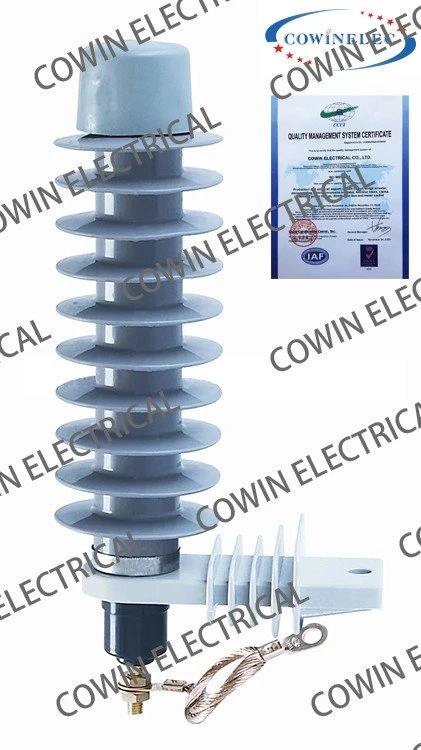
Metal Oxide Surge Arrester technology is commonly used in both porcelain and polymer arresters. In general, polymer arresters can have a faster response time to surges. This is because the polymer housing allows for better heat dissipation, which helps the metal oxide varistors inside the arrester to recover more quickly after a surge event.
On the other hand, porcelain arresters may have a more stable performance under long - term continuous operation. Their excellent insulation properties can prevent the formation of leakage currents, which is important for maintaining the integrity of the electrical system over time.
Application Considerations
The choice between porcelain and polymer Electrical Arresters depends on several factors, including the application environment, budget, and specific requirements of the electrical system.

Outdoor Applications
In outdoor applications, both porcelain and polymer arresters can be used. If the area has a harsh environment with high levels of pollution, salt spray, or extreme temperatures, porcelain arresters may be a better choice due to their durability. However, if the installation site is in an area with a high risk of physical damage or seismic activity, polymer arresters may be more suitable because of their impact resistance.
Indoor Applications
For indoor applications, polymer arresters are often preferred. Their lightweight and easy - to - install nature make them a convenient option. Also, in indoor environments where the risk of mechanical damage is relatively low, the potential environmental degradation of polymer materials is less of a concern.
High - Voltage Systems
In high - voltage electrical systems, both types of arresters are used. Porcelain arresters have a long - standing reputation for reliability in high - voltage applications. However, polymer arresters are also being increasingly used as their technology continues to improve. In some cases, a combination of both types may be used to take advantage of their respective strengths.
Conclusion
In conclusion, both porcelain and polymer Electrical Arresters have their own unique features and benefits. Porcelain arresters are known for their durability and excellent electrical insulation, while polymer arresters offer lightweight, impact resistance, and cost - effectiveness. As a supplier of Zinc Oxide Surge Arresters and other Electrical Arresters, I can help you determine the best type of arrester for your specific needs.
If you're in the market for Electrical Arresters and want to learn more about the differences between porcelain and polymer arresters, or if you're ready to make a purchase, feel free to reach out. We're here to provide you with the best products and services to ensure the safety and reliability of your electrical systems.
References
- IEEE Standards for Surge Arresters
- Manufacturer's Technical Documents for Porcelain and Polymer Electrical Arresters
- Industry Research Reports on Electrical Arrester Technologies