What are the types of Electrical Arrester?
As a professional supplier of Electrical Arrester, I am well - versed in the different types of these crucial devices that play a vital role in protecting electrical systems from overvoltage. In this blog, I will delve into the various types of electrical arresters available in the market.
1. Rod Gap Arrester
Rod gap arresters are one of the oldest and simplest types of electrical arresters. They consist of two rods separated by a small gap. When an overvoltage occurs, the air between the rods ionizes, creating a conductive path for the excessive current to flow to the ground.
The operation principle of rod gap arresters is based on the fact that when the voltage across the gap reaches a certain value, called the breakdown voltage, the air insulation breaks down. This allows the surge current to bypass the protected equipment and discharge safely.
However, rod gap arresters have some limitations. Their performance is highly dependent on the atmospheric conditions such as humidity and temperature. Also, they have a relatively long arcing time, which can cause damage to the rods and may not provide sufficient protection for sensitive electrical equipment.
2. Horn Gap Arrester
Horn gap arresters are an improvement over rod gap arresters. They consist of two horn - shaped electrodes. The unique shape of the horns allows the arc to move upwards due to the heating effect of the arc itself. As the arc moves upwards, the gap between the horns increases, and the arc is eventually extinguished.
This type of arrester is more reliable than rod gap arresters in terms of arc extinction. Horn gap arresters are commonly used in distribution systems, especially in areas where the lightning activity is not too severe. They are relatively inexpensive and easy to install.
3. Multi - gap Arrester
Multi - gap arresters are designed to provide better control over the breakdown voltage and arc extinction. They consist of a series of small gaps connected in series. When an overvoltage occurs, the breakdown starts from one gap and propagates through the series of gaps.
The advantage of multi - gap arresters is that they can limit the voltage across each gap, which helps in controlling the breakdown process. They also have a faster arc extinction time compared to rod and horn gap arresters. Multi - gap arresters are often used in medium - voltage electrical systems.
4. Metal Oxide Surge Arrester
Metal Oxide Surge Arresters (MOSAs) are the most widely used type of electrical arresters today. They are made of metal oxide varistors (MOVs), which have a highly non - linear voltage - current characteristic.

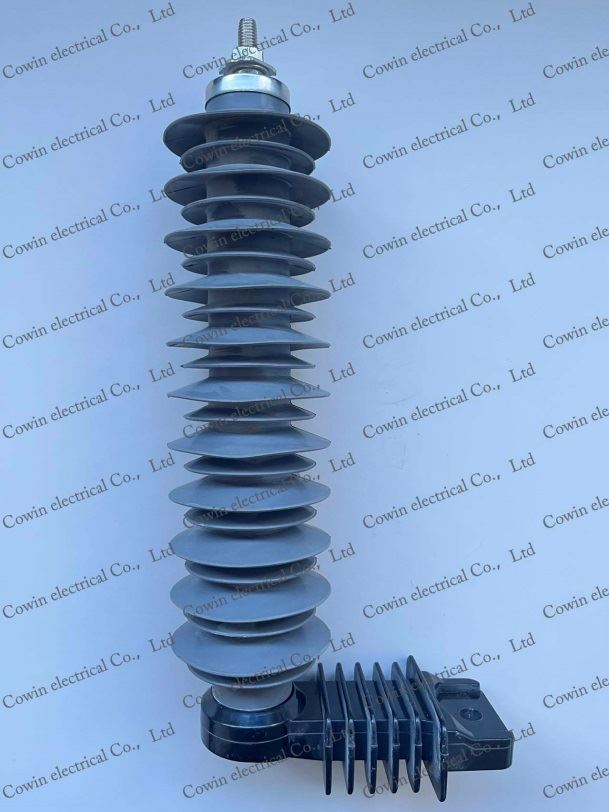
Under normal operating conditions, the MOVs in a MOSA have a very high resistance, allowing only a small leakage current to flow. However, when an overvoltage occurs, the resistance of the MOVs decreases significantly, allowing the surge current to flow through the arrester and to the ground. Once the overvoltage subsides, the MOVs return to their high - resistance state.
MOSAs offer several advantages. They have a very fast response time, which can protect sensitive electrical equipment from even very short - duration surges. They also have a high energy - absorption capacity, making them suitable for use in high - voltage transmission and distribution systems.
5. Polymeric Housed Zinc Oxide Lightning Arresters
Polymeric Housed Zinc Oxide Lightning Arresters are a special type of metal oxide surge arrester. The main difference is the housing material. Instead of the traditional porcelain housing, these arresters use a polymeric housing.
The polymeric housing offers several benefits. It is lighter in weight, which makes the arrester easier to install and transport. It also has better hydrophobic properties, which means it is less likely to accumulate moisture on its surface. This reduces the risk of flashover and improves the overall performance of the arrester, especially in polluted or wet environments.
These arresters are commonly used in outdoor electrical systems, where they need to withstand various environmental conditions.
6. Expulsion Type Arrester
Expulsion type arresters are mainly used in distribution systems. They consist of a tube filled with an arc - extinguishing material. When an overvoltage causes an arc to form inside the tube, the heat generated by the arc vaporizes the arc - extinguishing material.
The vaporized material creates a high - pressure gas that expels the arc from the tube. This process helps in extinguishing the arc and protecting the electrical system. Expulsion type arresters are relatively simple and inexpensive, but they have a limited number of operations before they need to be replaced.
As a Electrical Arrester supplier, we understand the importance of choosing the right type of arrester for different applications. Each type of arrester has its own advantages and limitations, and the selection depends on factors such as the voltage level of the electrical system, the expected surge levels, and the environmental conditions.
If you are in the process of selecting electrical arresters for your project, or if you need more information about our products, we encourage you to reach out to us. Our team of experts is ready to assist you in choosing the most suitable arrester for your specific requirements. We can provide detailed technical specifications, performance data, and pricing information. Contact us today to start the procurement and negotiation process.
References
- "Electrical Power Systems" by Turan Gonen
- "High Voltage Engineering" by M. S. Naidu and V. Kamaraju
- Industry standards and technical papers related to electrical arresters