

When it comes to electrical and mechanical connections, clamps play a crucial role. In the market, there are regular clamps and Hotline Clamps. As a Hotline Clamp supplier, I'd like to delve into the differences between these two types of clamps to help you make a more informed decision when choosing the right one for your specific needs.
1. Design and Structure
Regular clamps come in a wide variety of designs, but they generally have a simple and straightforward structure. They are often made of basic materials such as steel, plastic, or aluminum. The design is mainly focused on providing a firm grip on objects. For example, a regular C - clamp has a screw mechanism that tightens to hold two objects together. It has a fixed shape and size, and its application is relatively limited to general clamping tasks in woodworking, metalworking, or simple DIY projects.
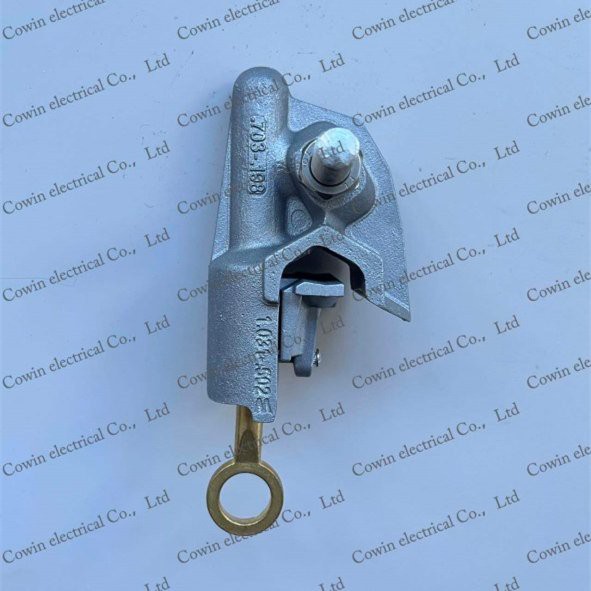
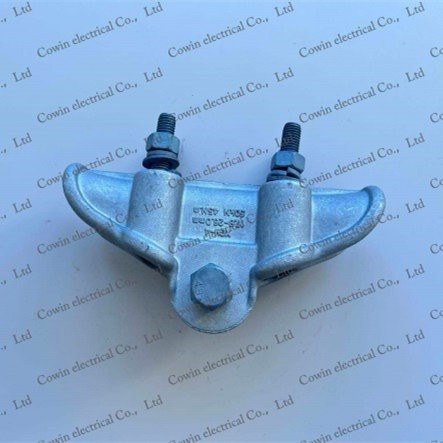
On the other hand, Hotline Clamps are designed with more precision and complexity. They are specifically engineered for electrical applications, especially in high - voltage power lines. Hotline Clamps are made of high - quality conductive materials like aluminum alloy, which can ensure good electrical conductivity while maintaining mechanical strength. The structure of Hotline Clamps is designed to withstand high - voltage environments and harsh weather conditions. For instance, Tension Clamp Straight Clamps are designed to provide a stable connection for overhead power lines under tension. They have a unique shape and locking mechanism that can securely hold the power line in place, preventing it from loosening or disconnecting.
2. Function and Application
Regular clamps are used in a broad range of non - electrical applications. In woodworking, they are used to hold pieces of wood together during gluing or cutting operations. In metalworking, they can be used to secure metal parts for welding or machining. Their function is mainly to provide a mechanical hold, and they do not have any electrical functions.
Hotline Clamps, however, are specialized for electrical applications. They are used in power transmission and distribution systems to connect and secure electrical conductors. For example, Terminal Wire Connector Compact Connector Terminal Block Connector is used to connect wires in electrical panels or distribution boxes. These connectors ensure a reliable electrical connection, minimizing power loss and reducing the risk of electrical faults. Hotline Clamps are also used in high - voltage transmission lines, where they can withstand high - voltage stress and ensure the safe and efficient transmission of electricity. They are often used in live - line maintenance operations, allowing workers to make connections or repairs without shutting down the power supply.
3. Safety Features
Regular clamps do not have specific safety features related to electrical applications. They are mainly designed to prevent objects from moving during mechanical operations. However, they may have some basic safety features such as anti - slip coatings or locking mechanisms to ensure a secure hold.
Hotline Clamps, on the other hand, are equipped with a series of safety features. They are designed to meet strict electrical safety standards. For example, they have insulation properties to prevent electrical shocks during installation and maintenance. Some Hotline Clamps also have grounding features to ensure that any electrical leakage is safely conducted to the ground. Aluminum Alloy Deadend Strain Clamp is designed to provide a reliable connection at the end of a power line, reducing the risk of line breakage and electrical accidents.
4. Durability and Long - term Performance
Regular clamps may have a relatively short lifespan, especially if they are used in harsh environments or for heavy - duty applications. The materials used in regular clamps may corrode or wear out over time, reducing their clamping force and effectiveness.
Hotline Clamps are built to last. The high - quality materials used in their construction, such as aluminum alloy, are resistant to corrosion and oxidation. They can withstand extreme temperatures, humidity, and UV radiation. This ensures that Hotline Clamps can maintain their performance and reliability over a long period of time, reducing the need for frequent replacements and maintenance.
5. Installation and Maintenance
Installing regular clamps is usually a simple process. It often involves tightening a screw or a lever to secure the clamp in place. Maintenance is also relatively easy, usually only requiring occasional cleaning and lubrication to ensure smooth operation.
Installing Hotline Clamps, however, requires specialized knowledge and skills. Since they are used in high - voltage electrical systems, proper installation is crucial to ensure safety and performance. Workers need to follow strict installation procedures and use specialized tools. Maintenance of Hotline Clamps also requires regular inspections to check for any signs of damage, wear, or electrical faults. This may involve using specialized testing equipment to ensure that the clamps are functioning properly.
Why Choose Our Hotline Clamps?
As a Hotline Clamp supplier, we offer a wide range of high - quality Hotline Clamps that meet the highest industry standards. Our products are designed and manufactured using the latest technology and materials to ensure optimal performance and reliability. We have a team of experienced engineers and technicians who can provide technical support and guidance to our customers. Whether you are working on a small - scale electrical project or a large - scale power transmission system, we can provide you with the right Hotline Clamps to meet your needs.
If you are interested in our Hotline Clamps or have any questions about their application and installation, please feel free to contact us for further information and procurement discussions. We are committed to providing you with the best products and services to help you achieve your project goals.
References
- Electrical Engineering Handbook, CRC Press
- Power System Analysis and Design, Cengage Learning
- Standards for Electrical Equipment, International Electrotechnical Commission (IEC)


