Hey there! As a supplier of surge arresters, I often get asked about the discharge current of surge arresters. It's a crucial topic, especially for those in the electrical industry. So, let's dive right in and explore what the discharge current of a surge arrester is all about.
What Exactly is Discharge Current?
First things first, the discharge current of a surge arrester is the current that flows through the arrester when it's dealing with a surge. Surges can come from various sources, like lightning strikes or sudden changes in electrical loads. When a surge hits the electrical system, the surge arrester steps in to protect the equipment. It does this by diverting the excess current safely to the ground.
Think of it like a traffic cop. When there's a sudden influx of traffic (the surge), the cop (the surge arrester) directs the extra cars (the current) to a side road (the ground) to keep the main road (the electrical system) running smoothly.
Why is Discharge Current Important?
The discharge current is super important because it determines how well the surge arrester can protect your electrical equipment. If the discharge current is too low, the arrester might not be able to handle large surges. This could lead to damage to your valuable electrical devices, like transformers, motors, and even entire power distribution systems.
On the other hand, if the discharge current rating is too high, you might end up spending more money than necessary on a more powerful arrester than you actually need. So, finding the right balance is key.
Factors Affecting Discharge Current
There are several factors that can affect the discharge current of a surge arrester. One of the main factors is the type of surge. Lightning surges, for example, can be extremely powerful and short - lived. They can generate very high currents in a very short time. In contrast, switching surges, which occur when electrical equipment is turned on or off, are usually less intense but can last longer.

The location of the surge arrester also matters. If it's installed in an area prone to lightning strikes, it needs to be able to handle higher discharge currents. Similarly, if it's protecting equipment that's sensitive to voltage fluctuations, a more precise and capable arrester might be required.
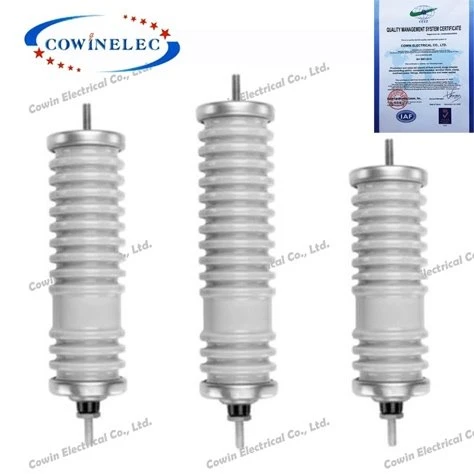
Another factor is the design of the surge arrester itself. Different types of arresters, such as Electrical Arrester, High Voltage Surge Arrester, and 33KV Lightning Arrester, have different discharge current capabilities based on their construction and materials.
Measuring Discharge Current
Measuring the discharge current of a surge arrester is no easy feat. Specialized equipment is required to accurately measure the high - intensity, short - duration currents that occur during a surge. These measurements are usually taken in a laboratory setting under controlled conditions.
In the field, however, it's more about ensuring that the arrester is rated for the expected surge currents. This involves calculating the possible surge currents based on the location, the electrical system, and the type of equipment being protected.
Selecting the Right Discharge Current Rating
When it comes to selecting the right discharge current rating for your surge arrester, it's not a one - size - fits - all situation. You need to consider the specific requirements of your electrical system.
For residential applications, a lower discharge current rating might be sufficient. Most household electrical systems don't experience extremely large surges. However, if you live in an area with a high incidence of lightning, you might want to opt for a slightly higher rating.
In industrial settings, on the other hand, the requirements are much more demanding. Large factories and power plants often have complex electrical systems that are more susceptible to surges. They typically require surge arresters with higher discharge current ratings to ensure reliable protection.
Our Surge Arrester Offerings
As a surge arrester supplier, we understand the importance of getting the right discharge current rating for your needs. We offer a wide range of surge arresters, including Electrical Arrester, High Voltage Surge Arrester, and 33KV Lightning Arrester.
Our arresters are designed and tested to meet the highest standards of quality and performance. We use the latest technology and materials to ensure that they can handle the toughest surge conditions. Whether you need a simple arrester for a small electrical panel or a high - capacity arrester for a large industrial facility, we've got you covered.
Conclusion
In conclusion, the discharge current of a surge arrester is a critical aspect of its performance. It plays a vital role in protecting your electrical equipment from the damaging effects of surges. By understanding the factors that affect discharge current, how to measure it, and how to select the right rating, you can make an informed decision when choosing a surge arrester.
If you're in the market for a surge arrester and need help figuring out the right discharge current rating for your specific situation, don't hesitate to reach out. We're here to assist you in making the best choice for your electrical protection needs. Contact us today to start the conversation about your surge arrester requirements.
References
- IEEE Standard for Metal - Oxide Surge Arresters for AC Power Circuits (IEEE C62.11)
- IEC 60099 - 4: Surge arresters for a.c. systems