Power surges are a common yet potentially damaging phenomenon in electrical systems. As a supplier of Dropout Fuse Cutouts, understanding the effects of power surges on these crucial components is essential for providing reliable solutions to our customers. In this blog, we will delve into the intricacies of power surges and their impact on Dropout Fuse Cutouts.
Understanding Power Surges
Power surges are sudden, brief increases in electrical voltage that can occur due to various reasons. Lightning strikes are one of the most well - known causes of power surges. When a lightning bolt hits a power line or a nearby object, it can send a massive amount of electrical energy into the system, causing a significant voltage spike.

Another common cause is the switching of large electrical loads. When a large motor starts or stops, or when a capacitor bank is switched on or off, it can create a sudden change in the electrical current flow. This change can lead to a voltage surge as the electrical system adjusts to the new load conditions.
Power surges can also be caused by problems within the electrical grid itself. Faults in transformers, short - circuits, or problems with the utility's power generation and distribution equipment can all result in abnormal voltage increases.
How Dropout Fuse Cutouts Work
Before discussing the effects of power surges on Dropout Fuse Cutouts, it's important to understand how these devices function. A Dropout Fuse Cutout is a protective device used in electrical distribution systems, especially in overhead power lines. It consists of a fuse link enclosed in a tube. When the current flowing through the fuse link exceeds a certain rated value for a specific period, the fuse link melts. This melting action causes the tube to drop out, interrupting the electrical circuit and protecting the downstream equipment from overcurrent damage.
Effects of Power Surges on Dropout Fuse Cutouts
1. Premature Fuse Link Melting
One of the most immediate effects of a power surge on a Dropout Fuse Cutout is the potential for premature melting of the fuse link. Power surges can cause a sudden and significant increase in the current flowing through the fuse link. If the magnitude and duration of the surge are high enough, the fuse link may melt even if the normal operating current of the circuit is within the rated capacity of the fuse.
For example, a lightning - induced power surge can send a large amount of current through the Dropout Fuse Cutout in a matter of microseconds. If the surge current exceeds the thermal capacity of the fuse link, it will heat up rapidly and melt. This premature melting can lead to unnecessary outages in the electrical system, disrupting power supply to customers and potentially causing damage to other equipment that relies on continuous power.
2. Mechanical Stress on the Cutout
Power surges can also subject the Dropout Fuse Cutout to mechanical stress. The sudden increase in current can cause the fuse link to expand rapidly due to the heat generated. This expansion can put pressure on the tube housing the fuse link and the mounting hardware of the cutout.
In some cases, the mechanical stress can be so severe that it causes damage to the tube or the mounting brackets. The tube may crack or break, or the mounting hardware may become loose. This damage can compromise the proper functioning of the Dropout Fuse Cutout, making it less reliable in protecting the electrical system.
3. Degradation of Insulation
Power surges can also have a long - term impact on the insulation materials used in Dropout Fuse Cutouts. The high - voltage spikes associated with power surges can cause partial discharges within the insulation. These partial discharges can gradually erode the insulation material, reducing its dielectric strength over time.
As the insulation degrades, the risk of electrical breakdown increases. Electrical breakdown can lead to short - circuits within the Dropout Fuse Cutout, which can cause further damage to the device and potentially disrupt the entire electrical system. In addition, degraded insulation can also increase the risk of arcing, which can be a fire hazard.
4. Impact on the Dropout Mechanism
The dropout mechanism of a Dropout Fuse Cutout is designed to operate when the fuse link melts. However, power surges can interfere with this mechanism. The sudden changes in current and voltage can cause the dropout mechanism to malfunction.
For instance, the high - energy surges may cause the tube to become stuck in the up position even after the fuse link has melted. This can prevent the proper interruption of the electrical circuit, leaving the downstream equipment vulnerable to overcurrent damage. On the other hand, false dropouts can also occur, where the tube drops out even though the fuse link has not actually melted due to the abnormal electrical conditions caused by the power surge.
Mitigating the Effects of Power Surges on Dropout Fuse Cutouts
1. Selecting the Right Fuse Rating
Proper selection of the fuse rating is crucial in mitigating the effects of power surges. A fuse with a higher rating may be more resistant to short - term power surges, as it can handle higher currents without melting. However, it's important to balance this with the need to protect the downstream equipment from overcurrent. If the fuse rating is too high, it may not protect the equipment effectively in case of a sustained overcurrent condition.
2. Using Surge Protectors
Installing surge protectors in the electrical system can help reduce the impact of power surges on Dropout Fuse Cutouts. Surge protectors are designed to divert excess voltage to the ground, preventing it from reaching the Dropout Fuse Cutout. This can significantly reduce the likelihood of premature fuse link melting and other damage caused by power surges.
3. Regular Maintenance and Inspection
Regular maintenance and inspection of Dropout Fuse Cutouts are essential to ensure their proper functioning. During maintenance, the fuse links should be checked for signs of wear and damage. The insulation should also be tested to ensure its integrity. Any damaged components should be replaced promptly to prevent potential failures due to power surges.
Our Products and Solutions
As a leading supplier of Dropout Fuse Cutouts, we offer a wide range of products to meet the diverse needs of our customers. Our 12KV Dropout Fuse Cutout is designed to provide reliable overcurrent protection in medium - voltage electrical distribution systems. It is built with high - quality materials and advanced manufacturing techniques to ensure durability and performance, even in the face of power surges.
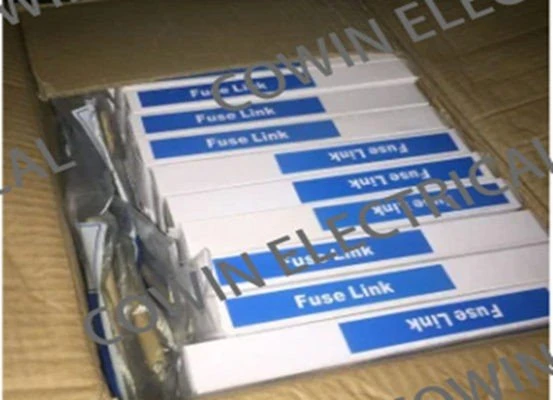
We also offer Fuse Link for Dropout Fuse Cutout that are carefully engineered to have accurate melting characteristics. This ensures that the fuse links will melt at the right time to protect the electrical system while minimizing the risk of premature melting due to power surges.
For outdoor applications, our Outdoor High Voltage Dropout Fuse Cutout is designed to withstand harsh environmental conditions and the challenges posed by power surges. It is equipped with features such as weather - resistant materials and robust construction to ensure long - term reliability.
Contact Us for Your Dropout Fuse Cutout Needs
If you are looking for high - quality Dropout Fuse Cutouts and reliable solutions to protect your electrical systems from power surges, we are here to help. Our team of experts can provide you with detailed information about our products, assist you in selecting the right Dropout Fuse Cutout for your specific application, and offer support throughout the installation and maintenance process. Contact us today to start a discussion about your procurement needs and find the best solutions for your electrical distribution systems.
References
- "Electrical Power Systems: Design and Analysis" by Turan Gonen.
- "Handbook of Electric Power Calculations" by Hadi Saadat.
- Industry standards and guidelines related to electrical protection devices and power system operation.