What is the Temperature Rating of a Dropout Fuse Cutout?
As a supplier of Dropout Fuse Cutouts, I've encountered numerous inquiries regarding the temperature rating of these essential electrical components. Understanding the temperature rating is crucial for ensuring the proper functioning and longevity of Dropout Fuse Cutouts in various electrical systems. In this blog post, I'll delve into the concept of temperature rating, its significance, and how it relates to the performance of Dropout Fuse Cutouts.
Understanding Temperature Rating
The temperature rating of a Dropout Fuse Cutout refers to the maximum temperature at which the fuse cutout can operate safely and effectively. This rating is determined by the manufacturer based on extensive testing and engineering analysis. It takes into account various factors, including the materials used in the construction of the fuse cutout, the design of the fuse link, and the operating environment.
The temperature rating is typically specified in degrees Celsius (°C) and is an important parameter to consider when selecting a Dropout Fuse Cutout for a particular application. If the operating temperature exceeds the rated temperature, it can lead to premature failure of the fuse cutout, potentially causing power outages, equipment damage, and safety hazards.
Importance of Temperature Rating
The temperature rating of a Dropout Fuse Cutout is crucial for several reasons. Firstly, it ensures the reliability of the electrical system. When a fuse cutout operates within its rated temperature range, it can accurately detect overcurrents and interrupt the circuit, protecting the electrical equipment and preventing damage. On the other hand, if the temperature exceeds the rated limit, the fuse link may overheat and fail prematurely, leading to a loss of protection and potential damage to the system.
Secondly, the temperature rating affects the lifespan of the Dropout Fuse Cutout. Excessive heat can cause the materials in the fuse cutout to degrade over time, reducing its mechanical strength and electrical performance. By operating the fuse cutout within its rated temperature range, the risk of premature aging and failure is minimized, extending its service life and reducing maintenance costs.
Finally, the temperature rating is essential for compliance with safety standards and regulations. Electrical systems are subject to strict safety requirements, and using a Dropout Fuse Cutout with an appropriate temperature rating is necessary to ensure compliance. Failure to meet these requirements can result in legal issues and safety hazards.
Factors Affecting Temperature Rating
Several factors can affect the temperature rating of a Dropout Fuse Cutout. These include:
- Ambient Temperature: The ambient temperature is the temperature of the surrounding environment where the fuse cutout is installed. Higher ambient temperatures can increase the operating temperature of the fuse cutout, reducing its effective temperature rating. It is important to consider the maximum expected ambient temperature when selecting a fuse cutout.
- Load Current: The load current flowing through the fuse cutout generates heat. Higher load currents result in more heat generation, which can increase the operating temperature of the fuse cutout. It is essential to select a fuse cutout with a rated current that is appropriate for the expected load.
- Installation Conditions: The installation conditions, such as the mounting method, ventilation, and proximity to other heat-generating components, can also affect the temperature rating of the fuse cutout. Proper installation and ventilation are necessary to ensure that the fuse cutout operates within its rated temperature range.
- Fuse Link Design: The design of the fuse link plays a crucial role in determining the temperature rating of the fuse cutout. Different fuse link designs have different heat dissipation characteristics, which can affect the operating temperature. It is important to select a fuse cutout with a fuse link design that is suitable for the application.
Temperature Rating and Application
The temperature rating of a Dropout Fuse Cutout is closely related to its application. Different applications have different temperature requirements, and it is important to select a fuse cutout with an appropriate temperature rating for the specific application.
For example, in outdoor applications, the ambient temperature can vary significantly depending on the location and the season. In hot climates, the ambient temperature can reach very high levels, which requires a fuse cutout with a higher temperature rating. On the other hand, in indoor applications, the ambient temperature is usually more stable, and a fuse cutout with a lower temperature rating may be sufficient.
In addition, the type of electrical system and the load characteristics also affect the temperature rating requirements. For high-voltage applications, the fuse cutout may need to withstand higher temperatures due to the increased electrical stress. Similarly, for applications with high inrush currents, the fuse cutout may need to have a higher temperature rating to handle the temporary increase in heat generation.
Selecting the Right Temperature Rating
When selecting a Dropout Fuse Cutout, it is important to consider the temperature rating carefully. Here are some steps to help you select the right temperature rating:
- Determine the Ambient Temperature: Determine the maximum expected ambient temperature at the installation site. This can be done by referring to historical weather data or consulting with a local weather service.
- Calculate the Load Current: Calculate the expected load current that will flow through the fuse cutout. This can be done by analyzing the electrical system and the connected loads.
- Consider the Installation Conditions: Consider the installation conditions, such as the mounting method, ventilation, and proximity to other heat-generating components. Ensure that the installation provides adequate ventilation to dissipate heat.
- Select a Fuse Cutout with an Appropriate Temperature Rating: Based on the ambient temperature, load current, and installation conditions, select a Dropout Fuse Cutout with a temperature rating that is suitable for the application. It is recommended to select a fuse cutout with a temperature rating that is higher than the expected maximum operating temperature to provide a safety margin.
Our Product Offerings
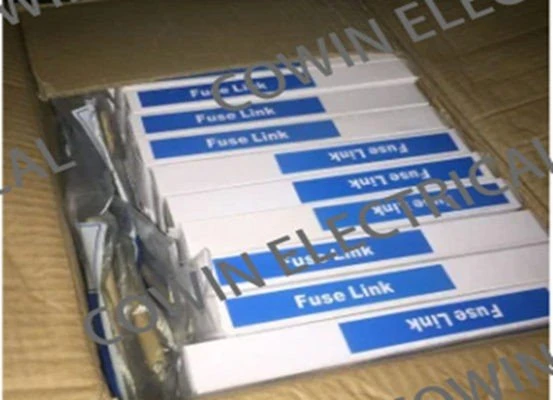
As a supplier of Dropout Fuse Cutouts, we offer a wide range of products with different temperature ratings to meet the diverse needs of our customers. Our Fuse Link for Dropout Fuse Cutout is designed to provide reliable overcurrent protection in various applications. It is available in different ratings and designs to suit different temperature requirements.
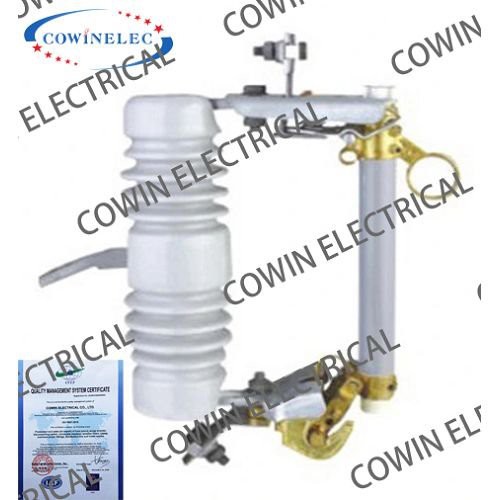
We also offer 12KV Dropout Fuse Cutout for high-voltage applications. These fuse cutouts are designed to withstand high temperatures and provide reliable protection in harsh environments.
In addition, our Outdoor High Voltage Dropout Fuse Cutout is specifically designed for outdoor applications. It is constructed with high-quality materials and advanced technology to ensure long-term reliability and performance in extreme weather conditions.
Conclusion
The temperature rating of a Dropout Fuse Cutout is a critical parameter that affects its performance, reliability, and lifespan. Understanding the temperature rating and its significance is essential for selecting the right fuse cutout for a particular application. By considering the factors that affect the temperature rating and selecting a fuse cutout with an appropriate temperature rating, you can ensure the safe and reliable operation of your electrical system.
If you have any questions or need assistance in selecting a Dropout Fuse Cutout with the right temperature rating for your application, please feel free to contact us. Our team of experts is ready to provide you with the necessary information and support to help you make the right decision.
References
- Electrical Safety Standards and Regulations
- Manufacturer's Specifications for Dropout Fuse Cutouts
- Technical Literature on Electrical Protection Devices