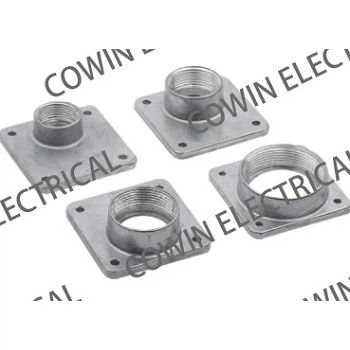
Hey there! As a supplier of Hotline Clamps, I often get asked about the torque specification for these nifty little devices. So, I thought I'd take a moment to break it down for you in a way that's easy to understand.
First off, let's talk about what torque is. In simple terms, torque is the force that causes an object to rotate. When it comes to Hotline Clamps, the right torque specification is crucial. It ensures that the clamp is securely fastened, preventing any electrical issues like loose connections, which can lead to power outages or even safety hazards.
Now, the torque specification for a Hotline Clamp isn't a one - size - fits - all deal. It depends on several factors, such as the type of clamp, the size of the conductor it's being used with, and the material of the clamp.
Let's start with the type of clamp. There are different kinds of Hotline Clamps out there, each designed for specific applications. For example, the Aluminum Alloy Deadend Strain Clamp is used to terminate and support overhead conductors. This type of clamp needs to withstand a lot of tension, so the torque specification is usually on the higher side. A proper torque ensures that the clamp can hold the conductor firmly in place, even under high - stress conditions.
On the other hand, the Terminal Wire Connector Compact Connector Terminal Block Connector is used for making electrical connections in a more compact space. These clamps are often used in control panels or other areas where space is limited. The torque specification for these is typically lower because they don't need to handle as much mechanical stress as the deadend strain clamps. But it's still important to get it right. If the torque is too low, the connection might be loose, leading to increased resistance and potential overheating. If it's too high, you could damage the connector or the wire.
Then there's the Hot Line Tap Clamp. This clamp is used to make a connection to an existing energized conductor without interrupting the power supply. The torque specification for a Hot Line Tap Clamp is carefully calibrated to ensure a good electrical connection while also being safe to use under live - line conditions.
The size of the conductor also plays a big role in determining the torque specification. Larger conductors usually require more torque to secure the clamp properly. This is because they have more surface area and mass, and a higher torque is needed to create a tight enough grip. For example, if you're using a Hotline Clamp on a large - gauge high - voltage conductor, you'll need to apply more force to the clamp's bolts or screws compared to a smaller - gauge conductor.
The material of the clamp is another important factor. Different materials have different properties, and these properties affect how much torque the clamp can handle. For instance, aluminum alloy clamps are lightweight and corrosion - resistant, but they might require a different torque setting compared to steel clamps. Steel clamps are stronger and more rigid, so they can usually handle higher torque values without deforming.
So, how do you find out the exact torque specification for a particular Hotline Clamp? Well, the best place to start is the manufacturer's documentation. Every clamp we supply comes with a detailed manual that includes the recommended torque values. These values are based on extensive testing and engineering calculations to ensure optimal performance and safety.
It's also important to use the right tools when tightening the clamps. A torque wrench is a must - have for this job. A torque wrench allows you to apply the exact amount of torque specified by the manufacturer. Using a regular wrench and just guessing the torque can lead to over - or under - tightening, which can cause all sorts of problems.
When applying torque, it's a good idea to follow a specific sequence. For clamps with multiple bolts or screws, tighten them in a criss - cross pattern. This helps to distribute the force evenly across the clamp and ensures a more secure connection.

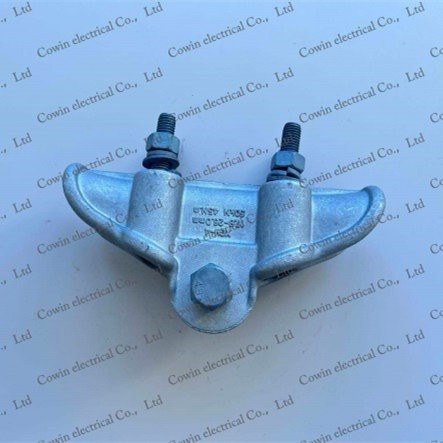
In addition to following the manufacturer's recommendations, it's also a good practice to perform regular inspections of the clamps. Over time, factors like vibration, temperature changes, and environmental conditions can cause the torque to loosen. By checking the torque periodically, you can catch any issues early and make the necessary adjustments.
If you're in the process of installing or maintaining Hotline Clamps, and you're not sure about the torque specification, don't hesitate to reach out to us. As a supplier, we have a team of experts who can provide you with all the information you need. We're here to make sure that you get the most out of our products and that your electrical systems are safe and reliable.
Whether you're working on a small - scale electrical project or a large - scale power distribution network, getting the torque specification right for your Hotline Clamps is essential. It's not just about following the rules; it's about ensuring the long - term performance and safety of your electrical infrastructure.
So, if you're in the market for Hotline Clamps or need more information about torque specifications, feel free to contact us. We're always happy to help with your procurement needs and answer any questions you might have. Let's work together to make your electrical projects a success!
References:
- Manufacturer's manuals for Hotline Clamps
- Electrical engineering standards and guidelines related to clamp installation