


Polymer Insulators
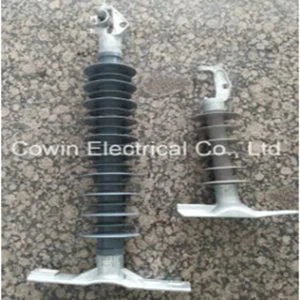
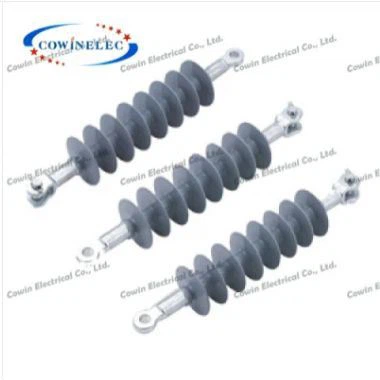
What is a Polymer Insulators?
A dropout fuse cutout, commonly known as a "dropout" or "pullout" fuse, is an overcurrent protection device designed to be easily removed from the electrical circuit when it has operated (blown). It consists of a cartridge-type fuse encased within a porcelain or ceramic housing, which is mounted on a hinge or swivel mechanism.
Why Choose Us ?
Quality Assurance
Each batch of goods has a corresponding quality inspection report to solve your concerns about product quality.
Good Services
Customer service will update you the logistics information of the goods in time to ensure that the goods are delivered in time.
Professional Solution
With rich experience and one-to-one service, we can help you choose products and answer technical questions.
Quick Transportation
We cooperate with professional sea shipping, air and logistics companies to provide you with the best transportation solution.




Benefits of Polymer Insulators
One of the major benefits of polymer insulators is their lightweight construction. Compared to traditional porcelain insulators, polymer insulators are significantly lighter, making them easier to handle and install. This also reduces the load on the supporting structures and minimizes the risk of accidents during installation or maintenance.
Polymer insulators offer high mechanical strength, enabling them to withstand extreme weather conditions and mechanical stresses. They are less prone to breakage due to wind load, vibrations, or ice formation, making them ideal for areas prone to severe weather conditions such as high winds or earthquakes.
Polymer insulators exhibit excellent electrical performance, with low leakage current and superior insulation properties. These insulators have high resistance to electrical tracking, corrosion, and pollution, ensuring reliable and consistent performance over time.
Polymer insulators are relatively easy to maintain compared to traditional porcelain insulators. They have a smooth surface, which reduces the accumulation of dirt and pollutants, resulting in less frequent cleaning. Additionally, their lightweight construction makes them easier to handle during maintenance activities.
Polymer insulators are highly resistant to chemical corrosion, making them suitable for environments with high levels of industrial pollution or salt spray. They do not react with chemicals or contaminants in the atmosphere, ensuring a longer service life and reducing the need for frequent replacement.
Polymer insulators offer a cost-effective solution for electrical power transmission and distribution systems. Their lightweight construction reduces transportation and installation costs, while their long service life minimizes replacement and maintenance expenses. Additionally, the low leakage current and high insulation properties of polymer insulators result in improved efficiency and reduced power losses.
Polymer insulators provide enhanced safety compared to porcelain insulators. Their lightweight and flexible construction reduces the risk of injuries during installation or maintenance, as there is less chance of accidental breakage. Furthermore, the high electrical performance of polymer insulators ensures reliable insulation and reduces the risk of electrical accidents.
Application of Polymer Insulators

Power Distribution
Polymer insulators are extensively used in power distribution systems. They are lightweight and have high mechanical and electrical strength, making them suitable for overhead power lines. These insulators provide reliable insulation and are resistant to weathering, moisture, and UV radiation. Additionally, they require minimal maintenance compared to traditional porcelain insulators.
Railway Electrification
Polymer insulators are crucial in railway electrification systems. They are installed in overhead catenary wires to carry and transmit electrical power to trains. The insulators ensure efficient insulation and help prevent power loss during transmission. Their high mechanical strength allows them to withstand the dynamic forces exerted by moving trains. Polymer insulators also offer better performance in polluted environments and require less cleaning compared to glass or porcelain insulators.
Telecommunication Towers
Polymer insulators are used in telecommunication towers to support and insulate antennas and other equipment. These insulators provide reliable electrical insulation and minimize the risk of electrical arcing or flashovers. They offer excellent mechanical strength and can withstand harsh weather conditions, such as strong winds, rain, and snow. Polymer insulators also have a lightweight design, making them ideal for use in tall and high-load-bearing towers.
Renewable Energy Systems
Polymer insulators play a crucial role in renewable energy systems, such as wind and solar power. They are used in transmission lines carrying electricity generated from renewable sources to the grid. The insulators provide reliable insulation and help reduce power losses during long-distance transmission. They are also resistant to environmental factors, such as salt, fog, or chemical exposure, making them suitable for offshore wind farms or solar power plants.
Electric Vehicles
Polymer insulators find applications in electric vehicle charging infrastructure. They are used in charging stations to provide insulation and electrical safety. These insulators help prevent electrical leaks and ensure efficient and safe charging of electric vehicles. Their lightweight design, high mechanical strength, and resistance to environmental factors make them ideal for use in outdoor charging stations.
Components of Polymer Insulators
Polymer Housing: The polymer housing is the outer covering of the insulator. It is typically made of high-quality silicone rubber or other polymer materials. The housing provides mechanical strength to the insulator and protects it from environmental factors such as UV radiation, pollution, and chemical exposure.
Fiberglass Core: Inside the polymer housing, there is a fiberglass core. The core is made up of high-strength, corrosion-resistant fiberglass rods. It provides structural support to the insulator and helps to maintain its shape and electrical performance under various loads and environmental conditions.
Metal End Fittings: Polymer insulators have metal end fittings that are attached to the fiberglass core at both ends. These fittings are usually made of high-strength aluminum or steel. The end fittings play a crucial role in providing mechanical strength and stability to the insulator, especially during extreme weather conditions like high winds or heavy rain.
Shed Design: Polymer insulators often feature a shed design to enhance their performance. The sheds are small, disc-like structures attached to the surface of the insulator housing. They are usually made of silicone rubber or other polymeric materials. The sheds help to control the electric field distribution along the insulator surface, preventing corona discharge and reducing the risk of flashovers.
Hardware: In addition to the main components, polymer insulators also require various hardware elements. These may include metal bolts, washers, nuts, and other fasteners, which are used to securely attach the insulator to the supporting structure, such as a transmission tower or a pole. The hardware ensures the proper installation and reliable operation of the insulator in the electrical power system.
● Silicone Rubber Insulators: Known for their superior resistance to UV light, ozone, and temperature extremes, silicone rubber insulators are highly durable and suitable for both indoor and outdoor use.
● Ethylene Propylene Diene Monomer (EPDM) Insulators: EPDM insulators are cost-effective and have good resistance to chemicals and heat. They are commonly used in urban and industrial areas where pollution is a concern.
● Cross-Linked Polyethylene (XLPE) Insulators: XLPE insulators offer excellent electrical properties and are resistant to moisture ingress. They are often used in underground cable applications.
● Polyurethane Insulators: These insulators provide good abrasion resistance and are used in applications where physical contact with other objects is frequent, such as in certain types of connectors or splices.
● Acrylic Insulators: Acrylic insulators are known for their clarity and transparency, which allows for visual inspection of the conductor within. They are used in applications where aesthetics are important, such as in decorative lighting.

Material of Polymer Insulators
Polymeric materials: Polymer insulators are made from various polymeric materials such as silicone rubber, EPDM (ethylene propylene diene monomer), and HDPE (high-density polyethylene). These materials offer excellent electrical and mechanical properties, making them suitable for use in insulators.
Silicone rubber: Silicone rubber is a commonly used material in polymer insulators. It has excellent electrical insulation properties and can withstand a wide range of temperatures, making it ideal for outdoor applications. Silicone rubber also has good resistance to UV radiation and weathering, ensuring the longevity of the insulators.
EPDM: EPDM is another popular material for polymer insulators. It is known for its high tensile strength, excellent resistance to ozone and weathering, and good electrical insulation properties. EPDM-based insulators are commonly used in medium to high voltage applications.
HDPE: HDPE is widely used in polymer insulators for its exceptional mechanical strength and resistance to chemicals. It offers excellent impact resistance, making it suitable for installation in areas prone to vandalism or mechanical stress. HDPE insulators are also resistant to tracking and erosion, ensuring their performance even in harsh environmental conditions.
Composite materials: Some polymer insulators utilize composite materials, combining different polymers and reinforcing agents. These composite materials provide enhanced strength and durability, allowing the insulators to withstand higher mechanical loads and environmental stresses.
Fiberglass rod core: Polymer insulators usually have a fiberglass rod core that provides structural support. The fiberglass rod is lightweight, yet strong, making it an ideal choice for improving the mechanical performance of the insulators.
Metal end fittings: Polymer insulators often have metal end fittings for attaching to transmission or distribution lines. These fittings are typically made of aluminum, steel, or a combination of both. Metal end fittings provide mechanical strength and stability to the insulator assembly.
How to Choose Polymer Insulators

Determine the application: The first step in choosing polymer insulators is to determine the application for which they will be used. Polymer insulators are commonly used in electrical distribution systems, transmission lines, railways, and substations. Understanding the specific requirements and conditions of the application is crucial to selecting the right insulators.
Consider voltage rating: Polymer insulators are available in various voltage ratings to suit different applications. It is important to determine the voltage level of the electrical system where the insulators will be installed. This ensures that the selected insulators can effectively withstand the electrical stresses and maintain insulation performance.
Evaluate mechanical strength: Polymer insulators should have adequate mechanical strength to withstand the mechanical loads experienced during installation, operation, and environmental conditions. Factors such as wind, ice, and pollution may impose additional mechanical stresses on the insulators. Thus, it is essential to evaluate the insulators' mechanical strength, including their load-bearing capacity and resistance to bending and vibrations.
Assess environmental resistance: Environmental conditions play a significant role in the performance and durability of polymer insulators. Insulators should be resistant to UV radiation, temperature variations, moisture, and contamination. Consideration should also be given to factors like coastal areas, high-altitude locations, pollution levels, and corrosive environments. Choose insulators that are specifically designed and tested to withstand the environmental challenges associated with the application.


Analyze electrical performance: Polymer insulators must have excellent electrical performance to ensure proper insulation. Factors like electrical capacitance, electrical aging, leakage current, and flashover voltage should be analyzed. Insulators with higher electrical performance and lower electrical losses are preferable to minimize power losses and ensure a reliable electrical system.
Verify manufacturer's quality standards: Select insulators from reputable manufacturers who adhere to international quality standards. Insulators should meet specifications like IEC, IEEE, or national standards. It is crucial to verify the manufacturer's quality control processes, material selection, and testing procedures. This ensures that the insulators will provide reliable performance and have a longer service life.
Consider lifecycle costs: When choosing polymer insulators, it is important to consider the lifecycle costs rather than just the initial purchase price. Factors like maintenance requirements, long-term performance, and reliability should be factored in. Insulators with lower maintenance needs and higher durability may have higher upfront costs but can result in long-term cost savings.
Seek expert advice: If unsure about the selection process, it is advisable to seek advice from industry experts or consult with insulator suppliers. They can provide valuable insights based on their experience and knowledge, helping to choose the most suitable polymer insulators for the specific application.
What are the Working Theory of Polymer Insulators
High Dielectric Strength
Polymer insulators are made from materials with a high dielectric strength, meaning they can withstand high electric fields without breaking down and allowing current to pass through. This property ensures that the insulator can safely separate live conductors from each other and from ground or earth potentials.
Hydrophobicity
Many polymer insulators, particularly those made from silicone rubber, exhibit hydrophobic behavior. This characteristic causes water droplets to form into beads on the surface of the insulator rather than spreading out and forming a continuous film. The hydrophobic nature helps to maintain the insulating properties even when the insulator is exposed to rain or humidity.
Self-Cleaning Effect
Due to their hydrophobic properties, polymer insulators can shed accumulated dirt and pollutants when wetted by rain or dew. This self-cleaning effect, also known as the "Leidenfrost phenomenon," prevents the formation of conductive paths on the insulator's surface, which could lead to flashover and failure.
Mechanical Properties
Polymer insulators are typically more flexible and less brittle than traditional ceramic or glass insulators. This flexibility allows them to better withstand mechanical stresses, such as those caused by wind, ice, or physical impacts, reducing the likelihood of cracking and breaking.
Thermal Stability
Polymers used in insulators are engineered to maintain their physical and chemical properties over a wide temperature range. This thermal stability ensures that the insulator can perform reliably in both hot and cold climates.
UV and Ozone Resistance
Certain polymers, like silicone rubber, are inherently resistant to ultraviolet (UV) light and ozone, which can cause degradation and embrittlement in other materials. This resistance prolongs the lifespan of polymer insulators when exposed to outdoor elements.
Design Features
Polymer insulators are designed with specific shapes and sizes to optimize their performance. For example, the sheds on a suspension insulator are spaced to allow water to drain off efficiently and to minimize the collection of dirt.
How to maintain Polymer Insulators
Regular Visual Inspection
Inspect the insulators for any signs of damage, such as cracks, cuts, or abrasions. Also, check for foreign material accumulation, discoloration, or any unusual wear that might compromise their integrity.
Cleaning
Polymer insulators generally have a self-cleaning property due to their hydrophobic nature. However, periodic cleaning can help remove stubborn dirt or debris that may not be washed away by rain. Cleaning should be done with non-abrasive materials to avoid damaging the surface of the insulator.
Monitoring Pollution Levels
In areas with high pollution, insulators may require more frequent monitoring and cleaning. Pollution can significantly reduce the hydrophobicity of the insulator's surface, leading to increased leakage currents and the potential for flashover.
Tracking and Erosion Inspection
Look for signs of surface erosion or track formation, which can occur due to pollution and wetting cycles. Erosion can weaken the insulator's surface, while tracking can create conductive paths that reduce the insulating effectiveness.
Thermal Monitoring
Ensure that insulators are not subjected to excessive thermal stress, which can cause degradation over time. Infrared thermography can be used to detect hot spots that may indicate overheating due to high current loads or poor electrical contact.
Mechanical Load Assessment:
Regularly assess the mechanical loads on insulators, especially in areas prone to high winds, ice loading, or physical impacts. Overloading can cause mechanical failure, so it is essential to ensure that insulators are rated for the expected loads.
Replacement Schedule
Develop a replacement schedule based on the age of the insulators, the severity of the environment, and the manufacturer's recommendations. Even if insulators appear to be in good condition, aging materials can become brittle and less effective over time.
Correct Installation Practices
Ensure that new insulators are installed correctly, using proper torque settings and compatible hardware to prevent stress concentration at connection points.
Documentation and Analysis
Keep detailed records of inspections, cleanings, and any maintenance activities. Analyze this data to identify trends that may indicate a need for changes in maintenance practices or replacement schedules.
Our Factory

Cowin Electrical Co., Ltd. is the professional exporting and manufacturing enterprise, loaded in JinLu Industry Zone, Beibaixiang, Yueqing City, Wenzhou, China. Our main products: Distribution switch control equipment, high and low voltage electrical appliances and accessories, dropout fuses, lightning arresters, dis-connectors, insulators, power fittings, hardware tools, wiring terminals, distribution boxes and so on.
Frequently Asked Questions Polymer Insulators
Q: What are polymer insulators made of?
Q: How do polymer insulators compare to traditional ceramic insulators?
Q: Are polymer insulators suitable for all weather conditions?
Q: How do polymer insulators handle pollution?
Q: What is the lifespan of a polymer insulator?
Q: Are polymer insulators easy to install?
Q: Do polymer insulators require special maintenance?
Q: Can polymer insulators be used underground?
Q: Are polymer insulators environmentally friendly?
Q: How do polymer insulators perform in fire conditions?
Q: What is the typical voltage range for polymer insulators?
Q: Can polymer insulators be used in marine applications?
Q: What are the advantages of using polymer insulators in urban settings?
Q: Can polymer insulators be customized?
Q: How do polymer insulators affect the aesthetic appearance of electrical infrastructure?
Q: What is the tracking and erosion resistance of polymer insulators?
Q: Are there any disadvantages to using polymer insulators?
Q: How do you choose the right type of polymer insulator for a particular application?
Q: Are polymer insulators suitable for use with composite materials?
Q: What testing standards are polymer insulators subjected to?