

Hey there! As a supplier of Anchoring Brackets, I often get asked about how to ensure the correct spacing between multiple anchoring brackets. It's a crucial aspect that can significantly impact the performance and safety of the entire setup. In this blog, I'll share some tips and tricks based on my experience in the industry.
First off, let's understand why proper spacing matters. When you're using multiple anchoring brackets, they need to work together as a system. Incorrect spacing can lead to uneven distribution of load, which might cause some brackets to bear more stress than others. Over time, this can result in premature wear and tear, and in the worst - case scenario, a failure of the system.
So, how do we figure out the right spacing? Well, it depends on several factors. One of the most important factors is the type of cable or wire you're using. Different cables have different weights, strengths, and flexibility. For example, if you're dealing with a heavy - duty cable, you'll need to space the brackets closer together to support its weight properly. On the other hand, a lighter cable can tolerate a bit more distance between the brackets.
Another factor is the environmental conditions. If your installation is in an area with high winds, heavy rain, or extreme temperatures, you'll want to reduce the spacing between the brackets. These environmental factors can put additional stress on the cables and brackets, so closer spacing helps to ensure stability.
Now, let's talk about some practical steps to ensure the correct spacing. The first step is to measure the distance between the two end points where you'll be installing the brackets. This gives you a starting point for calculating the number of brackets you'll need and the spacing between them.
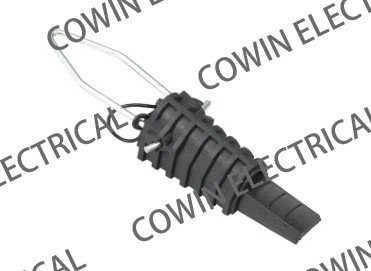
Once you have the total distance, you need to consider the load capacity of the brackets. Each bracket has a specific load - bearing capacity, which is usually indicated by the manufacturer. You need to make sure that the total load on each bracket, including the weight of the cable and any additional equipment attached to it, stays within this capacity. If you're using a Dead End Tension Clamp for Insulated Messenger Wire ABC Clamp along with the anchoring brackets, you also need to factor in its weight and the stress it might add to the system.
A good rule of thumb is to start with a conservative estimate of the spacing. For most standard cables in normal environmental conditions, a spacing of around 3 to 5 feet between brackets is a good starting point. But again, this can vary depending on the factors we discussed earlier.

After you've made an initial estimate of the spacing, it's a good idea to do a test installation. Set up a few brackets at the proposed spacing and attach a sample of the cable. Check for any signs of sagging or excessive stress on the brackets. If you notice any issues, you can adjust the spacing accordingly.
It's also important to use the right tools for the job. A good measuring tape is essential for accurate spacing. You might also need a level to make sure the brackets are installed straight. This helps to ensure that the load is evenly distributed across all the brackets.
When installing the brackets, make sure they are firmly attached to the surface. Whether it's a wall, a pole, or another structure, a loose bracket can compromise the entire system. Use the appropriate screws or bolts, and follow the manufacturer's installation instructions carefully.
Now, let's talk about some common mistakes to avoid. One of the biggest mistakes is to space the brackets too far apart. This can lead to excessive sagging of the cable, which not only looks bad but also increases the risk of damage. Another mistake is to not consider the future expansion or changes in the system. If you think you might add more cables or equipment in the future, it's better to space the brackets a bit closer together from the start.
As a supplier of Anchoring Brackets, I've seen firsthand the importance of proper spacing. We offer a wide range of high - quality anchoring brackets that are designed to meet different needs. Our brackets are made from durable materials and are tested to ensure they can withstand various environmental conditions.
In addition to the anchoring brackets, we also supply other related products like the PA 1500 Tension Dead End Clamp. These clamps are an essential part of many cable installation systems, and they work hand - in - hand with the anchoring brackets.
If you're in the process of planning a cable installation or need to replace your existing brackets, I'd love to help. Ensuring the correct spacing between multiple anchoring brackets is not as complicated as it might seem, but it does require some careful planning and attention to detail.
Whether you're a professional installer or a DIY enthusiast, we can provide you with the products and advice you need. We understand that every installation is unique, and we're here to work with you to find the best solution for your specific situation.
If you have any questions or want to discuss your project further, don't hesitate to reach out. We're always happy to talk about cable installation and help you make the right choices. Contact us to start the conversation and let's get your project on the right track.
References:
- Industry standards for cable installation and bracket spacing
- Manufacturer's specifications for anchoring brackets and related products


