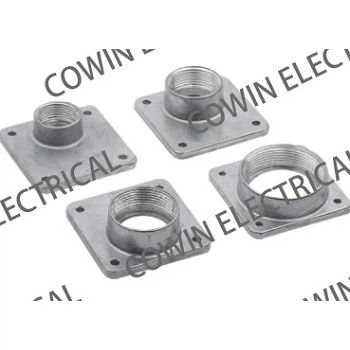
As a supplier of hotline clamps, I understand the importance of ensuring these crucial components work properly. Hotline clamps play a vital role in electrical power systems, facilitating live-line work and maintaining the integrity of power transmission and distribution networks. In this blog post, I'll share some insights on how to determine if a hotline clamp is working properly.
1. Visual Inspection
The first step in assessing the functionality of a hotline clamp is a thorough visual inspection. Before using the clamp, carefully examine its physical condition. Look for any signs of damage, such as cracks, breaks, or deformation in the clamp body, jaws, or other components. A damaged clamp may not be able to provide a secure grip or proper electrical connection, which can lead to safety hazards and operational issues.
Check the surface of the clamp for corrosion or rust. Corrosion can reduce the conductivity of the clamp and affect its ability to transfer electrical current efficiently. If you notice any signs of corrosion, it's important to clean the affected areas or replace the clamp if the damage is severe.
Inspect the insulation on the clamp, if applicable. The insulation should be intact and free from any cuts, abrasions, or signs of degradation. Damaged insulation can expose workers to electrical shock and compromise the safety of the hotline work.

2. Mechanical Functionality
The mechanical functionality of a hotline clamp is crucial for its proper operation. Test the opening and closing mechanism of the clamp to ensure it moves smoothly and without any binding or resistance. The jaws of the clamp should open wide enough to accommodate the conductor or cable being clamped and close tightly to provide a secure grip.
Check the locking mechanism of the clamp to ensure it engages properly and holds the jaws in place. A faulty locking mechanism can cause the clamp to loosen during use, which can lead to electrical arcing, overheating, and other problems.
Verify the alignment of the jaws. The jaws should be parallel and evenly spaced to ensure a uniform grip on the conductor. Misaligned jaws can cause uneven pressure distribution, which can damage the conductor and affect the electrical connection.

3. Electrical Performance
One of the most important aspects of a hotline clamp is its electrical performance. To determine if a hotline clamp is working properly from an electrical perspective, you can use a variety of testing methods.
Continuity Testing
Continuity testing is a simple and effective way to check if the clamp is providing a good electrical connection. Use a multimeter set to the continuity or resistance mode to measure the resistance between the jaws of the clamp. A low resistance reading indicates a good electrical connection, while a high resistance reading or an open circuit may indicate a problem with the clamp.
Current-Carrying Capacity Testing
Testing the current-carrying capacity of the clamp is essential to ensure it can handle the electrical load it is designed for. This type of testing typically requires specialized equipment and should be performed by qualified personnel. The clamp should be tested under simulated operating conditions to determine its maximum current-carrying capacity without overheating or causing other electrical problems.
Insulation Resistance Testing
If the hotline clamp has insulation, it's important to test the insulation resistance to ensure it is providing adequate protection against electrical shock. Use an insulation resistance tester to measure the resistance between the conductive parts of the clamp and the insulation. A high insulation resistance reading indicates good insulation integrity, while a low reading may indicate a problem with the insulation.
4. Compatibility with Conductors
Hotline clamps are designed to work with specific types and sizes of conductors. It's important to ensure that the clamp you are using is compatible with the conductor it will be clamping. Using an incompatible clamp can lead to poor electrical contact, overheating, and damage to the conductor.
Check the manufacturer's specifications to determine the recommended conductor types and sizes for the clamp. Make sure the conductor diameter falls within the specified range and that the clamp is designed to work with the material of the conductor, such as copper or aluminum.
5. Manufacturer's Recommendations and Certifications
Always refer to the manufacturer's recommendations and guidelines for the proper use and maintenance of the hotline clamp. The manufacturer's instructions will provide valuable information on how to install, operate, and test the clamp to ensure its proper functioning.
Look for hotline clamps that are certified by recognized standards organizations, such as the International Electrotechnical Commission (IEC) or the American National Standards Institute (ANSI). Certification indicates that the clamp has been tested and meets the relevant safety and performance standards.
6. Regular Maintenance and Calibration
Proper maintenance and calibration are essential for ensuring the long-term performance and reliability of hotline clamps. Establish a regular maintenance schedule to inspect, clean, and lubricate the clamps as needed. Follow the manufacturer's recommendations for maintenance procedures and intervals.
Calibrate the clamps periodically to ensure their accuracy and performance. Calibration involves comparing the clamp's readings or performance to a known standard. This helps to identify any deviations or issues and allows for corrective action to be taken.
Conclusion
Determining if a hotline clamp is working properly requires a combination of visual inspection, mechanical testing, electrical performance testing, and ensuring compatibility with conductors. By following these steps and referring to the manufacturer's recommendations, you can ensure the safe and efficient operation of hotline clamps in your electrical power systems.

If you're in the market for high-quality hotline clamps, we offer a wide range of products to meet your needs. Our Alloy Dead End Strain Clamp Aluminum is designed for reliable performance in various applications. We also provide Outdoor Over Head Pole Line Hardwares and Aerial Fiber Optical Cable Anchor Bracket to support your electrical infrastructure.
Contact us today to discuss your specific requirements and explore how our hotline clamps can enhance the safety and efficiency of your power systems.
References
- Electrical Safety Standards Handbook.
- Manufacturer's Manuals for Hotline Clamps.
- Industry Best Practices for Electrical Equipment Testing and Maintenance.