As a seasoned supplier of Earthing Arresters, I've witnessed firsthand the critical role these devices play in electrical systems. One of the most important aspects of an Earthing Arrester is its thermal stability. In this blog post, I'll delve into what thermal stability means for an Earthing Arrester, why it matters, and how it impacts the performance and reliability of these essential components.

Understanding Thermal Stability
Thermal stability refers to the ability of an Earthing Arrester to maintain its electrical and physical properties under varying temperature conditions. When an electrical surge occurs, the arrester absorbs the excess energy and dissipates it as heat. If the arrester cannot effectively manage this heat, its performance can degrade, leading to potential failure and putting the entire electrical system at risk.
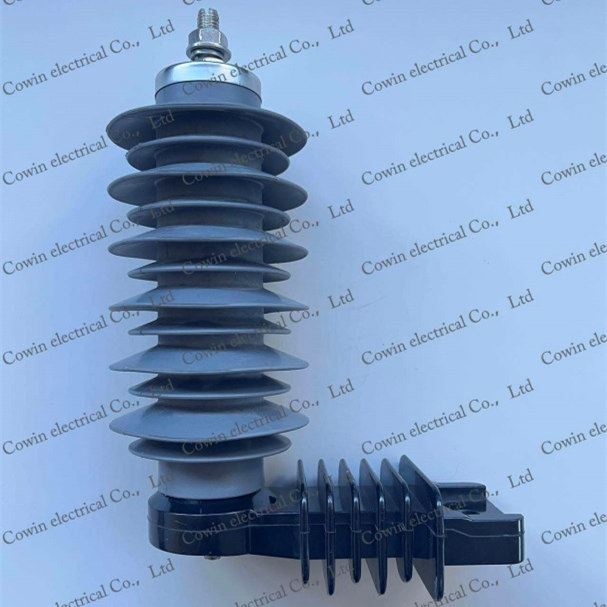
The thermal stability of an Earthing Arrester is determined by several factors, including the materials used in its construction, the design of its internal structure, and the efficiency of its heat dissipation mechanisms. For example, arresters made with high-quality materials that have good thermal conductivity can transfer heat away from the active components more effectively, reducing the risk of overheating.
Importance of Thermal Stability
The importance of thermal stability in an Earthing Arrester cannot be overstated. Here are some key reasons why it is crucial for the proper functioning of electrical systems:
- Reliability: A thermally stable arrester is more likely to perform consistently over time, even under extreme conditions. This reliability is essential for protecting electrical equipment from damage caused by surges and ensuring the continuous operation of critical systems.
- Safety: Overheating can cause an arrester to fail prematurely, which can lead to dangerous electrical faults and pose a significant safety hazard. By maintaining thermal stability, arresters can help prevent these failures and protect personnel and property from harm.
- Longevity: A thermally stable arrester is less likely to experience thermal stress and degradation, which can extend its service life. This reduces the need for frequent replacements and maintenance, saving time and money in the long run.
Factors Affecting Thermal Stability
Several factors can affect the thermal stability of an Earthing Arrester. Understanding these factors can help you choose the right arrester for your application and ensure its optimal performance.
- Material Selection: The materials used in the construction of an arrester have a significant impact on its thermal stability. For example, Metal Oxide Surge Arrester are known for their excellent thermal properties, as they can withstand high temperatures without significant degradation.
- Design and Construction: The design of an arrester's internal structure can also affect its thermal stability. Arresters with a well-designed heat dissipation system, such as fins or cooling channels, can transfer heat more effectively and maintain lower operating temperatures.
- Environmental Conditions: The operating environment can also have a significant impact on the thermal stability of an arrester. High ambient temperatures, humidity, and exposure to dust and pollutants can all affect the arrester's performance and increase the risk of overheating.
Measuring Thermal Stability
There are several methods for measuring the thermal stability of an Earthing Arrester. One common approach is to conduct thermal tests in a laboratory setting, where the arrester is subjected to controlled temperature conditions and its electrical properties are monitored over time. These tests can provide valuable insights into the arrester's thermal performance and help identify any potential issues.
Another method is to use temperature sensors to monitor the operating temperature of the arrester in real-time. This can help detect any abnormal temperature increases and allow for timely maintenance or replacement of the arrester before a failure occurs.
Ensuring Thermal Stability in Your Electrical System
To ensure the thermal stability of your Earthing Arrester and protect your electrical system from damage, it is important to take the following steps:
- Choose the Right Arrester: Select an arrester that is specifically designed for your application and has a proven track record of thermal stability. Consider factors such as the system voltage, surge current rating, and environmental conditions when making your selection.
- Proper Installation: Ensure that the arrester is installed correctly and in accordance with the manufacturer's instructions. Improper installation can lead to poor heat dissipation and increase the risk of overheating.
- Regular Maintenance: Schedule regular maintenance and inspections of your arrester to ensure that it is operating properly and to detect any potential issues early. This can include cleaning the arrester, checking for signs of damage or wear, and testing its electrical properties.
- Monitor Temperature: Use temperature sensors to monitor the operating temperature of the arrester in real-time. This can help detect any abnormal temperature increases and allow for timely maintenance or replacement of the arrester before a failure occurs.
Conclusion
Thermal stability is a critical factor in the performance and reliability of an Earthing Arrester. By understanding what thermal stability means, why it matters, and how it can be affected, you can make informed decisions when choosing an arrester for your application and take the necessary steps to ensure its optimal performance.

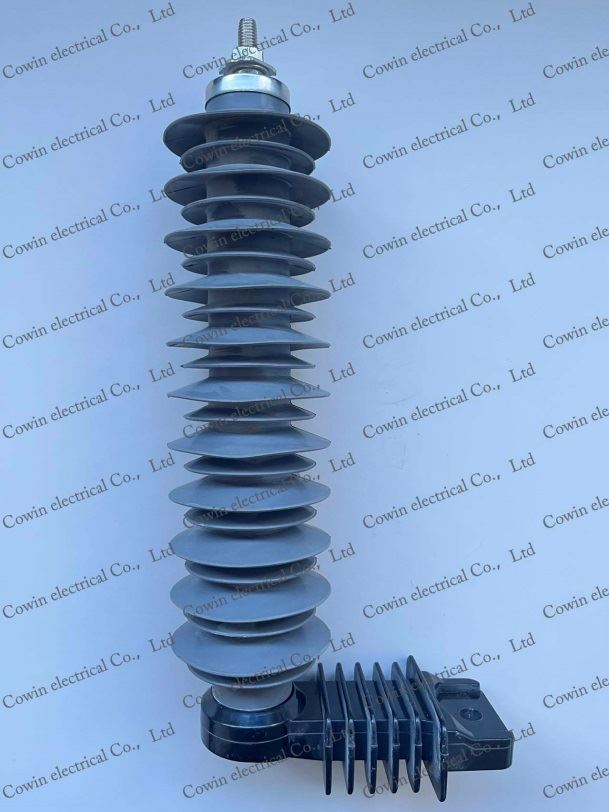
As a leading supplier of Earthing Arresters, we are committed to providing high-quality products that meet the highest standards of thermal stability and reliability. Our Polymeric Housed Zinc Oxide Lightning Arresters and Electrical Arrester are designed to withstand the most demanding conditions and provide reliable protection for your electrical system.
If you have any questions or would like to learn more about our products, please don't hesitate to contact us. We look forward to discussing your needs and helping you find the right solution for your application.
References
- IEEE Standard for Metal-Oxide Surge Arresters for AC Power Circuits (IEEE C62.11)
- IEC 60099-4: Surge arresters - Part 4: Metal-oxide surge arresters for a.c. systems
- ANSI/IEEE C62.22: Guide for the Application of Metal-Oxide Surge Arresters for Alternating-Current Systems