Picking the right earthing arrester for a particular application isn't a walk in the park. As a supplier of these essential electrical devices, I've seen firsthand how crucial it is to make the right choice. In this blog, I'll share some tips and factors to consider when selecting an earthing arrester.
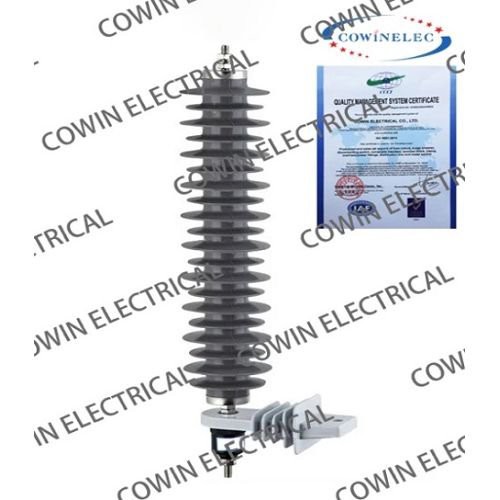
First off, let's understand what an earthing arrester does. An earthing arrester, also known as a Electrical Arrester, is designed to protect electrical systems from over - voltage surges, such as those caused by lightning strikes or switching operations. It diverts the excess electrical energy safely to the ground, preventing damage to equipment and ensuring the safety of personnel.
1. System Voltage
The system voltage is one of the most important factors to consider. You need to know the nominal voltage of the electrical system where the arrester will be installed. Different systems operate at various voltages, like low - voltage (less than 1 kV), medium - voltage (1 kV - 69 kV), and high - voltage (above 69 kV). Using an arrester with an inappropriate voltage rating can lead to ineffectiveness or even failure. For instance, if you install a low - voltage arrester in a high - voltage system, it won't be able to handle the high - energy surges and may break down.
2. Surge Current Rating
Surge current rating indicates the amount of current an arrester can handle during a surge event. The higher the surge current rating, the better the arrester can protect against large surges. When choosing an arrester, you should consider the likely magnitude of the surges in the specific application. For areas prone to frequent and intense lightning strikes, you'll need an arrester with a high surge current rating. On the other hand, in a relatively low - risk environment, a lower rating might be sufficient.
3. Energy Absorption Capacity
This is related to the amount of energy the arrester can absorb during a surge. It's measured in joules. A higher energy absorption capacity means the arrester can handle more powerful surges without getting damaged. Applications where large and long - duration surges are possible, such as in industrial settings with large electrical loads, require arresters with high energy absorption capacities.
4. Type of Arrester
There are different types of arresters available, and each has its own advantages and suitable applications.
Zinc Oxide Surge Arresters
Zinc oxide surge arresters are widely used because of their excellent non - linear voltage - current characteristics. They have a very low leakage current under normal operating conditions, which means less power loss. When a surge occurs, their resistance drops significantly, allowing the surge current to flow to the ground. These arresters are suitable for a wide range of applications, from low - voltage to high - voltage systems.
Metal Oxide Surge Arrester
Metal oxide surge arresters are similar to zinc oxide arresters but may have different compositions and performance characteristics. They also offer good protection against surges and are known for their reliability. In some cases, they may be more suitable for specific industrial or utility applications where high - performance protection is required.
5. Environmental Conditions
The environment where the arrester will be installed matters a lot. If the arrester is going to be used outdoors, it needs to be able to withstand harsh weather conditions like rain, snow, heat, and cold. Some arresters are designed with special coatings or enclosures to protect them from corrosion, UV radiation, and other environmental factors. In areas with high levels of pollution or salt spray, you'll need an arrester with enhanced environmental protection features.
6. Application - Specific Requirements
Different applications have unique requirements. For example, in a telecommunications system, the arrester needs to protect sensitive electronic equipment from surges. These arresters often need to have very fast response times to protect the equipment from damage. In a power generation plant, the arrester may need to be able to handle high - energy surges caused by the start - up and shut - down of large generators.
7. Standards and Certifications
Make sure the arrester you choose meets the relevant industry standards and certifications. Standards ensure that the arrester has been tested and meets certain performance and safety requirements. For example, in many countries, arresters need to comply with international standards like IEC (International Electrotechnical Commission) or national standards.
8. Cost - Benefit Analysis
Of course, cost is also a factor. You need to balance the cost of the arrester with its performance and the level of protection it provides. Sometimes, a more expensive arrester with better performance may save you money in the long run by preventing costly equipment damage and downtime. However, in some cases, a more budget - friendly option may be sufficient if the risk of surges is relatively low.
9. Manufacturer Reputation
It's always a good idea to choose an arrester from a reputable manufacturer. A well - established manufacturer is more likely to produce high - quality arresters that are reliable and have good after - sales support. You can look at customer reviews, industry references, and the manufacturer's track record to assess their reputation.
In conclusion, choosing the right earthing arrester for a specific application requires careful consideration of multiple factors. You need to understand the electrical system, the potential surge risks, the environmental conditions, and the specific requirements of the application. By taking all these factors into account, you can select an arrester that provides effective protection and ensures the safe and reliable operation of your electrical system.
If you're in the market for earthing arresters and need help with choosing the right one for your application, don't hesitate to reach out. We're here to assist you in making the best choice and ensuring you get the highest - quality protection for your electrical systems. Let's start a conversation about your specific needs and find the perfect solution together.
References

- Electrical Protection Handbook, Various Industry Publications
- International Electrotechnical Commission (IEC) Standards on Surge Arresters
- Manufacturer's Technical Documentation on Earthing Arresters