An electrical arrester, also known as a surge arrester, is a crucial device in electrical power systems. Its primary function is to protect electrical equipment from over - voltage surges caused by lightning strikes, switching operations, or other transient events. As a leading supplier of electrical arresters, I am well - versed in the components that make up these vital devices. In this blog, I will delve into the key components of an electrical arrester and explain their functions.
1. Varistor Elements
The core component of most modern electrical arresters is the varistor. Varistors are made of semiconductor materials, with zinc oxide (ZnO) being the most commonly used. Zinc oxide varistors have a unique non - linear voltage - current characteristic. Under normal operating voltages, the varistor has a very high resistance, allowing only a tiny leakage current to flow through it. This means that the arrester has minimal impact on the normal operation of the electrical system.
However, when a high - voltage surge occurs, the varistor's resistance drops significantly. It conducts a large amount of current, diverting the surge energy away from the protected equipment. This property makes zinc oxide varistors ideal for protecting electrical systems from transient over - voltages. Our Polymeric Housed Zinc Oxide Lightning Arresters utilize high - quality zinc oxide varistors to ensure reliable protection.
The varistors are usually arranged in a stack within the arrester. The number of varistor disks in the stack depends on the rated voltage of the arrester. Higher - voltage arresters require more varistor disks to handle the increased voltage levels. Each varistor disk is carefully selected and tested to ensure its performance and reliability.
2. Housing
The housing of an electrical arrester serves multiple important functions. Firstly, it provides mechanical support for the internal components of the arrester, protecting them from physical damage. Secondly, it acts as an electrical insulator, preventing the flow of current between the internal components and the external environment.
There are two main types of housing materials used in electrical arresters: porcelain and polymer. Porcelain housings have been used for a long time and are known for their high mechanical strength and excellent insulation properties. They can withstand harsh environmental conditions, including high temperatures, humidity, and pollution.
On the other hand, polymer - housed arresters have gained popularity in recent years. Polymer materials offer several advantages over porcelain, such as lighter weight, better resistance to vandalism, and improved hydrophobicity. Our Electrical Arrester products are available in both porcelain and polymer - housed options to meet different customer requirements.
The housing is also designed with a specific shape and structure to optimize the electrical performance of the arrester. For example, the housing may have sheds or ribs on its surface to increase the creepage distance, which helps to prevent surface flashovers.
3. End Fittings
End fittings are used to connect the arrester to the electrical system and to provide a means of mounting the arrester. They are typically made of metal, such as aluminum or steel, and are designed to be electrically conductive.
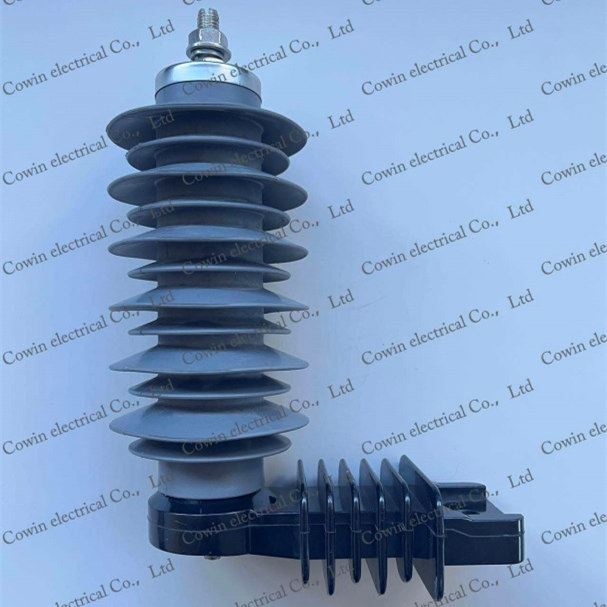

The upper end fitting is connected to the high - voltage line, while the lower end fitting is connected to the ground. The end fittings must be able to withstand the mechanical forces exerted on the arrester, as well as the electrical currents and voltages during normal operation and surge events.
In addition to their electrical and mechanical functions, end fittings also play a role in protecting the internal components of the arrester from environmental factors. They are often designed with seals to prevent moisture, dust, and other contaminants from entering the arrester housing.
4. Internal Wiring and Connections
Inside the arrester, there are internal wiring and connections that connect the varistor elements, the end fittings, and other components together. These wiring and connections must be carefully designed and installed to ensure proper electrical conductivity and mechanical stability.
The internal wiring is usually made of copper or aluminum, which are good conductors of electricity. The connections are typically made using soldering, welding, or mechanical fasteners. Proper insulation is also provided around the wiring and connections to prevent short - circuits and electrical breakdowns.
The design of the internal wiring and connections is also important for minimizing the inductance and resistance of the arrester. Low inductance and resistance are essential for ensuring that the arrester can quickly and effectively divert the surge current away from the protected equipment.
5. Monitoring and Diagnostic Devices (Optional)
Some advanced electrical arresters are equipped with monitoring and diagnostic devices. These devices can provide valuable information about the condition of the arrester, such as the leakage current, the number of surge events, and the operating temperature.
Monitoring the leakage current is particularly important because an increase in leakage current may indicate a deterioration of the varistor elements or a problem with the insulation. By continuously monitoring the leakage current, maintenance personnel can detect potential problems early and take appropriate measures to prevent arrester failure.
Diagnostic devices can also help in determining the remaining life of the arrester. This information is useful for planning maintenance and replacement schedules, ensuring the long - term reliability of the electrical system. Our High Voltage Surge Arrester products can be optionally equipped with state - of - the - art monitoring and diagnostic devices to provide enhanced protection and peace of mind.
Conclusion
In conclusion, an electrical arrester is a complex device composed of several key components, each with its own important function. The varistor elements are the heart of the arrester, providing the non - linear voltage - current characteristic that allows it to protect against over - voltage surges. The housing provides mechanical support and electrical insulation, while the end fittings connect the arrester to the electrical system and protect the internal components. Internal wiring and connections ensure proper electrical conductivity, and optional monitoring and diagnostic devices can enhance the reliability and performance of the arrester.
As a professional electrical arrester supplier, we are committed to providing high - quality products that meet the diverse needs of our customers. Our arresters are designed and manufactured using the latest technologies and highest quality materials to ensure reliable protection for electrical systems. If you are in need of electrical arresters for your project, we invite you to contact us for more information and to discuss your specific requirements. We look forward to working with you to provide the best solutions for your electrical protection needs.
References
- IEEE Standard for Metal - Oxide Surge Arresters for AC Power Circuits (IEEE C62.11).
- IEC 60099 - 4: Surge arresters - Metal - oxide surge arresters for a.c. systems.