As a supplier of Dropout Fuse Cutouts, I've had numerous in - depth discussions with clients about the various factors that can impact the operation of these essential electrical components. One factor that often doesn't receive as much attention as it should is altitude. In this blog, we'll explore the effects of altitude on the operation of a Dropout Fuse Cutout.
Understanding Dropout Fuse Cutouts
Before delving into the impact of altitude, it's crucial to understand what a Dropout Fuse Cutout is. Dropout Fuse Cutouts are protective devices used in electrical distribution systems. They are designed to interrupt the flow of current when there is an over - current condition, such as a short - circuit or overload. When the fuse link inside the cutout melts due to excessive current, the fuse tube drops out, visually indicating the fault and isolating the faulty section of the circuit.
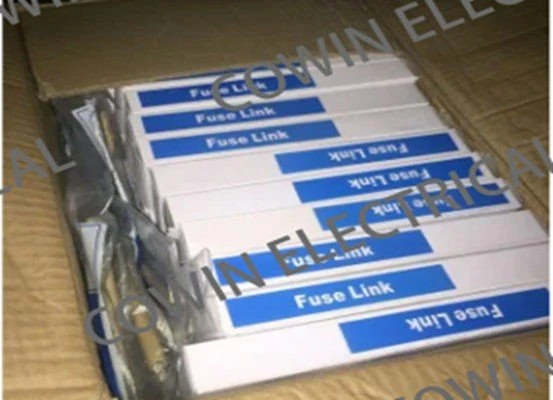
We offer a wide range of Dropout Fuse Cutouts, including 33KV Dropout Fuse Cutout and 12KV Dropout Fuse Cutout. Our products are known for their reliability and performance in different electrical environments. And if you need a replacement, we also provide Fuse Link for Dropout Fuse Cutout.
The Impact of Altitude on Electrical Insulation
One of the primary ways altitude affects Dropout Fuse Cutouts is through its influence on electrical insulation. As altitude increases, the air density decreases. Air is an important insulating medium in electrical equipment. Lower air density means there are fewer air molecules to impede the movement of electric charges.
In a Dropout Fuse Cutout, the insulation between the live parts and the grounded components depends on the air gap. At higher altitudes, due to the reduced air density, the dielectric strength of the air decreases. This means that the air is more likely to break down and conduct electricity at lower voltages than it would at sea - level.
For example, a Dropout Fuse Cutout that is rated for a certain voltage at sea - level may experience partial discharges or even complete electrical breakdown at a lower voltage at high altitudes. This can lead to premature failure of the fuse cutout and pose a significant risk to the electrical system.

Cooling and Heat Dissipation
Another important aspect affected by altitude is the cooling and heat dissipation of the Dropout Fuse Cutout. When a fuse cutout is in operation, heat is generated due to the flow of current through the fuse link and other components. Adequate cooling is essential to prevent overheating, which can cause the fuse link to melt prematurely or damage other parts of the cutout.
At higher altitudes, the lower air density results in a reduced convective heat transfer coefficient. Convection is one of the primary ways heat is dissipated from electrical equipment. With less air density, there are fewer air molecules to carry away the heat, making it more difficult for the fuse cutout to cool down.
As a consequence, the operating temperature of the Dropout Fuse Cutout may increase at high altitudes. Higher operating temperatures can accelerate the aging of the fuse link and other components, reducing their service life. It can also affect the accuracy of the fuse's current - interrupting characteristics, as the melting time of the fuse link is temperature - dependent.
Mechanical Components and Altitude
Altitude can also have an impact on the mechanical components of a Dropout Fuse Cutout. The lower air pressure at high altitudes can affect the operation of the mechanism that causes the fuse tube to drop out when the fuse link melts.
The mechanical forces that keep the fuse tube in place and release it when necessary are designed to work under normal atmospheric conditions. At high altitudes, the reduced air pressure can cause changes in the internal pressure within the fuse cutout housing, which may affect the smooth operation of the dropout mechanism. For example, the reduced air pressure might make it more difficult for the fuse tube to drop out freely, or it could cause the mechanism to malfunction.
Altitude Compensation and Design Considerations
To ensure the reliable operation of Dropout Fuse Cutouts at high altitudes, several design and compensation measures can be taken.
When it comes to insulation, the design can be modified to increase the air gaps between live parts and grounded components. This compensates for the reduced dielectric strength of the air at high altitudes. Additionally, using insulating materials with higher dielectric strength can provide an extra layer of protection.
For heat dissipation, manufacturers can increase the surface area of the heat - dissipating components, such as the fuse tube or the housing. This allows for more efficient heat transfer even in low - air - density environments. Some fuse cutouts may also be equipped with forced - air cooling systems in high - altitude applications.
Regarding mechanical components, the dropout mechanism can be designed to be more robust and less sensitive to changes in air pressure. This may involve using stronger springs or more reliable locking mechanisms that can operate consistently across a wide range of altitudes.
Conclusion and Call to Action
In conclusion, altitude has a significant impact on the operation of Dropout Fuse Cutouts, affecting electrical insulation, cooling, and mechanical components. As a supplier of high - quality Dropout Fuse Cutouts, we understand these challenges and have developed products that are designed to perform reliably at different altitudes.
If you are in the process of selecting Dropout Fuse Cutouts for your electrical distribution system, especially in high - altitude areas, we are here to help. Our team of experts can provide you with detailed product information and guidance on the best solutions for your specific needs. Feel free to get in touch for procurement discussions, and let's work together to ensure the safety and efficiency of your electrical system.
References
- IEEE Std C37.41 - 2016, IEEE Standard for Distribution Cutout Assemblies Rated 2.5 kV through 38 kV
- IEC 60282 - 1:2012, High - voltage fuses - Part 1: Definitions and general requirements